
Bellarine
Below is a mock up of a Traffic Light Voting Guide for Footscray. The Albert Park guide for voters will not be published until after the ballot draw on Tuesday November 10th.
Below is a mock up of a Traffic Light Voting Guide for the Victorian Upper House in the WESTERN METROPOLITAN REGION. The SOUTHERN METROPOLITAN REGION guide for voters in Albert Park will not be published until after the ballot draw on Tuesday November 10th.
Voting Traffic Light in the 2026 Victorian State Election
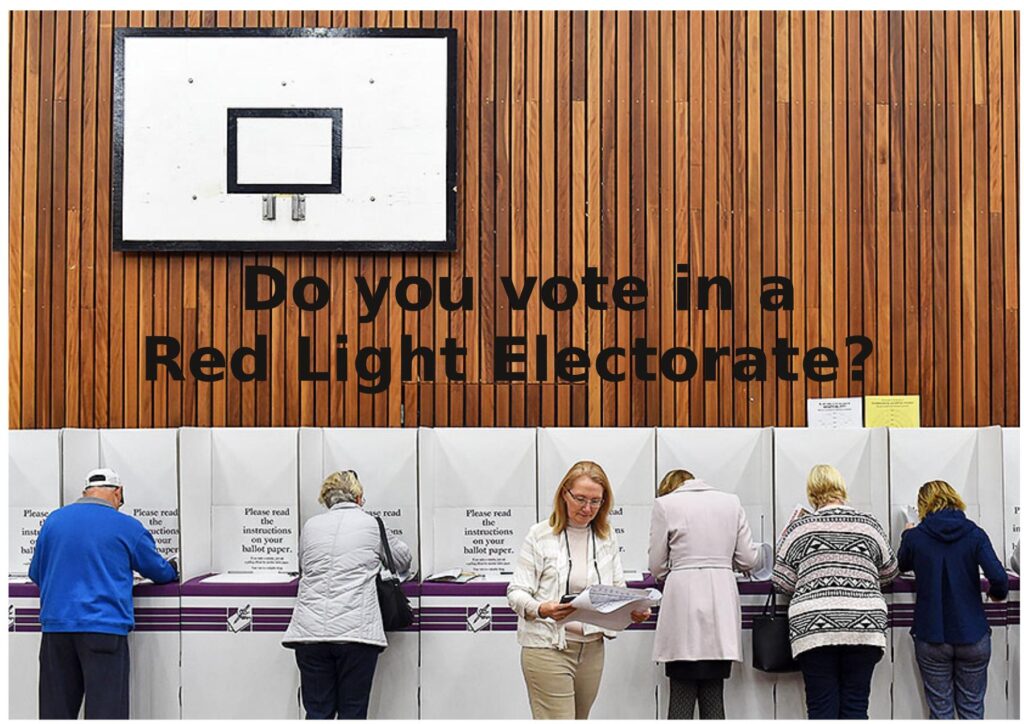
You will receive two ballot papers to vote for your preferred candidates in the Victorian House of Assembly and the Victorian Legislative Council .
To vote Traffic Light, vote for all the Green Light candidates or parties first, then the Orange Light ones. Number the red light candidates last.
Red light candidates are threat to achieving a fair future for us all not just in relation to Climate Rescue, but also a range of social issues most of us are concerned about. The order you number the Red Light candidates will have a significant effect on creating a good outcome at this election. We describe this advice as Strategic Preferencing. Strategic Preferencing will turbo charge the effectiveness of your vote in Red Light electorates.
Strategic Preferencing in Bellarine
Bellarine is not a Red Light electorate but we advise you preference the One Nation candidate last. You have three Green Light candidates to vote for before the Red Light candidates.
Strategic Preferencing in the Western Metropolitan Region
Whether you vote below, or above the line, number One Nation or their candidates stone motherless last. The divisiveness promoted by this party will tear us apart. Your vote can help to exclude them from minority government and preserve our capacity to restore social cohesion.
To maximise the effectiveness of your Upper House vote you will need to fill in all the boxes either above the line or below the line.
Outstanding Green Light Candidates
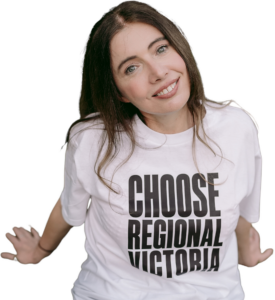
Aleta Moriarty is an Outstanding Green Light candidate standing in Western Region
Why I’m Running
I BELIEVE WE
CAN DO BETTER.
For a long time, I believed I could help create change through research, advocacy, journalism and human rights work. But after years of being active in this community, more and more people encouraged me to step forward.
I have listened to people who feel tired of being promised change and then let down. Across Western Victoria, people are concerned about growing inequality, from housing to education, health, wages and opportunity. People who are worried that our political system is increasingly shaped by entrenched power, vested interests and lobby groups, rather than the needs of ordinary communities.
They are worried about polarisation, populism and a broader democratic decline, where too often the rules no longer seem to apply equally. And they are tired of regional communities being treated as an afterthought, with lower investment, poorer infrastructure, worse education outcomes and fewer opportunities.
I share those concerns. But I also believe a better future is possible. I can see a fairer, kinder and more hopeful Victoria, one where communities are listened to, public services are properly funded, one where people matter, and the next generation has a genuine chance to thrive.
I am not motivated by power or politics for its own sake. I am motivated by change: stronger communities, greater opportunity, and a future people can believe in again.
At some point, I realised I could no longer be a bystander. Western Victoria deserves better. The next generation deserves better.
Vote Climate One Assessment
On your first question: if I’m elected to the next Victorian Parliament, I will support real action on issues relating to the ecological and climate emergency. That’s not new for me, it’s the reason I’ve spent most of my career in sustainability work.
On the second one, yes I would reflect the 3rrr in my assessments and decision making. I take an evidence based approach and would draw on the best available evidence in doing this.