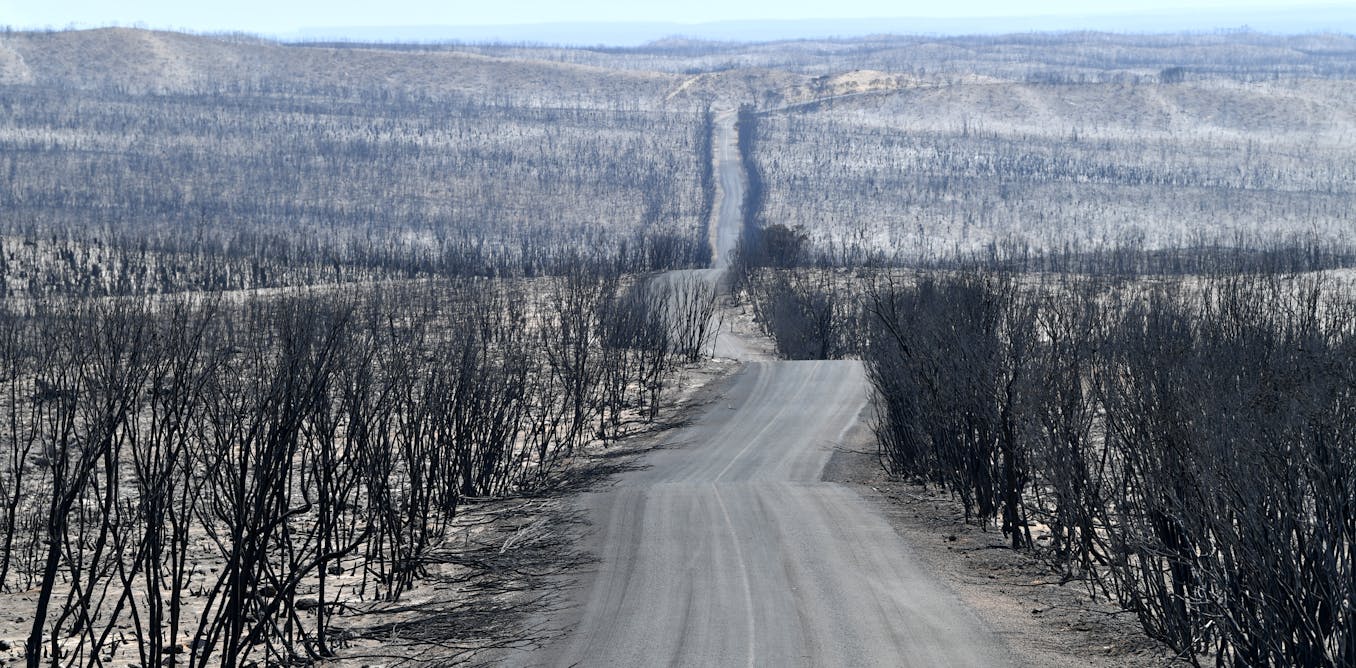
See new Climate Council report on lost opportunities

Eight years ago the LNP COALition govt. cancelled the national Climate Commission. But they kept on. Their report details lost opportunities.

Members of the Climate Commission would not lie down and die. They found their own funding and carried on.

Report summary, via Amanda McKenzie – Climate Council CEO, 01/04/2022:

Good factual, evidence-based reporting meticulously details the costs of 8 years LNP COALition Government denial and sabotage of science, blocking, disinformation, and downright malfeasance to prevent effective action on the growing climate emergency

The Climate Council’s full report can be downloaded from here.

Not counting front and end matter the Report provides 72 pages of well documented reportage on just what the government has done (1) to impede action on the global climate emergency that I have reported on extensively in Climate Sentinel News and (2) what the government has failed to do to help protect Australians from the worst impacts of climate change.

The analysis begins with an Introduction and Scorecard on Federal Government Climate Action that can be used to track progress into the future.

The real meat begins with Chapter 3 – Attacks on Science. What is documented here is a concerted attack to downsize and terrorize some of Australia’s world ranked scientific and technical institutions (e.g., CSIRO Climate Science Division) because the Government didn’t like the reality they reported. The cost of this denialism and threats is tracked through the remainder of the chapter (as well as through the rest of the Report).

Chapter 4 traces Australia’s dismal record, showing amongst other gems of mismanagement that:

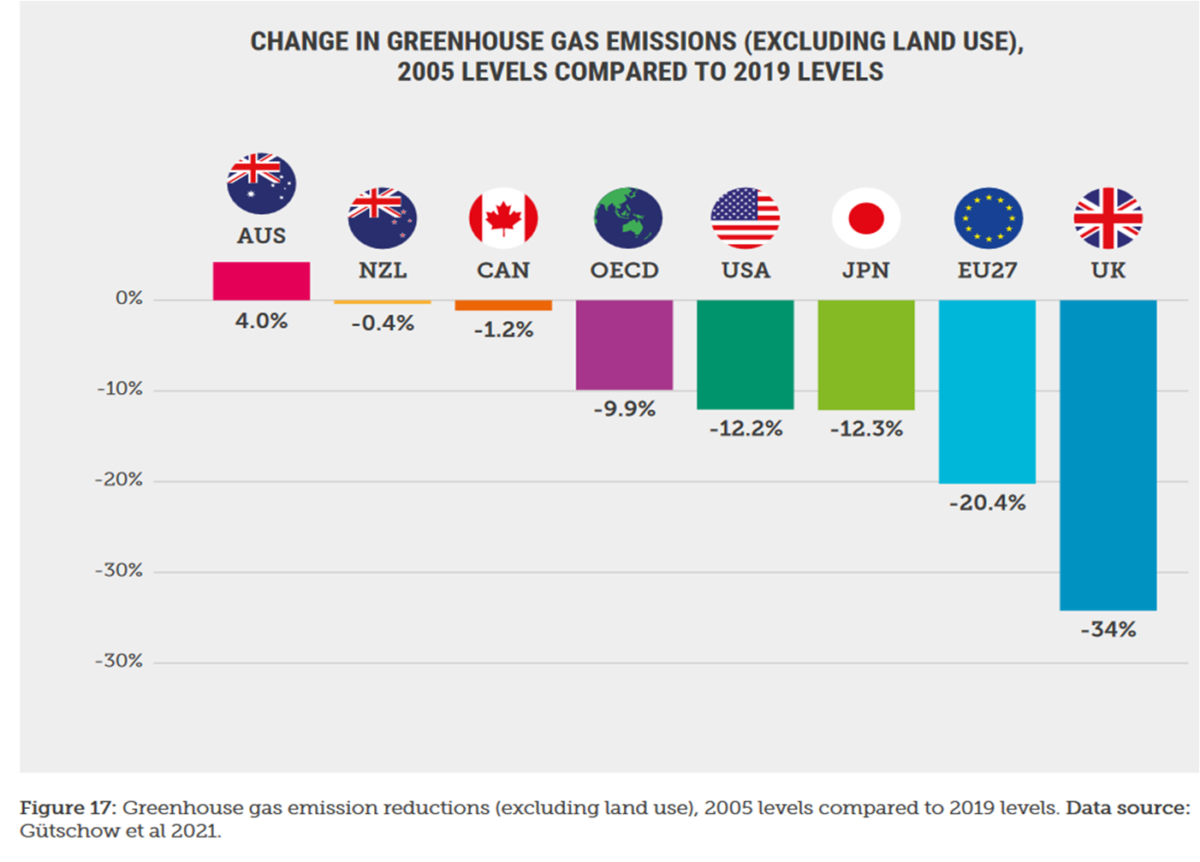
In the thirty years since Australia first committed to tackling climate change, our emissions have increased by more than a quarter. [my emphasis]

p. 23

Chapter 5 – Setting the Record Straight, looks the physical cause of global warming, greenhouse gas emissions, and what can be done to reduce and stop them.

Chapter 6 – Reckless Conduct, looks at the LNP Government’s actions to promote fossil fuel industry growth at the expense of mitigating impacts of global warming induced climate change.

Chapter 7 explores the impacts of the LNP Government’s bad management of the climate emergency on Australia’s foreign policy and relationships.

The final chapter, saving the Conclusion of the Report surveys the Government’s program and policy decisions favoring its mates in the fossil fuel industry versus closing down or cutting programs addressing climate change.

…Australia can and should cut its emissions at an even faster rate than the required global average. The Climate Council recommends that to make a fair contribution to the required global effort, Australia should achieve net zero emissions by 2035, and reduce emissions by 75 percent below 2005 levels by 2030. As a first step, Australia should match its key allies and commit to at least halving emissions by 2030. We should aim high, and we should move fast in order to maximise the benefits and minimise the risks.

Embracing our natural advantages in clean energy, zero-carbon manufacturing and other climate solutions will ensure jobs and prosperity for Australians now and for generations to come. It will improve our health, and help protect our natural heritage. Bold and transformative action this decade is not only fundamental to protecting all of us, but can also secure Australia’s economic prosperity.

It’s crunch time. Another lost decade will put us on the precipice of climate catastrophe. The 2020s are our ‘Last-Chance Decade’ – a decade the next Federal Government cannot afford to squander.

pp. 65- 66

In Scotty’s own words in one of his pet mediums – something to think about:
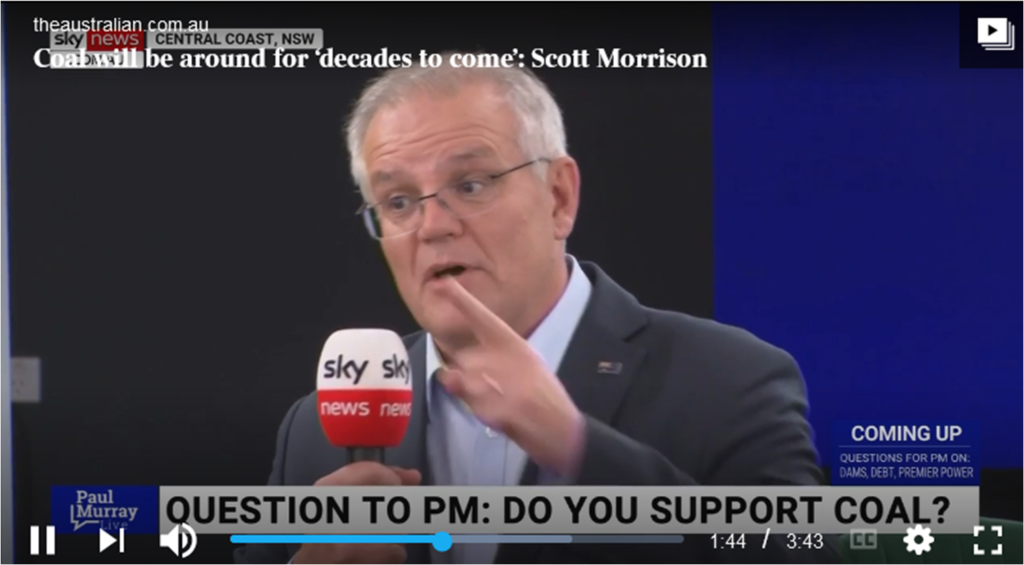
Prime Minister Scott Morrison says he is supportive of Australia’s fossil fuel industry – and particularly coal, which he… says will be around for “decades to come”. “When it comes to the coal industry, it’s worth $35 billion to us every year in exports, and that’s money Australia needs to grow our economy,” Mr Morrison said. “What you need in today’s energy economy is you need to continue to run your coal-fired power stations for as long as you possibly can and that is our policy … we want them to run as long as they possibly can.” Coal-fired power stations will continue to run to back up renewable power sources, although Mr Morrison said gas would play a larger role in the energy mix in years to come. Mr Morrison added that building a new coal-fired power station would be difficult because of the state government planning powers, which would “probably never allow them to do it”. For the video see: The Australian, 14/03/2022, Commentary/coal-will-be-around-for-decades-to-come-scott-morrison/video. See also ‘We will keep mining’, says Australian prime minister Scott Morrison about the future of coal.

If that wasn’t enough, here’s a choice of some of Scotty’s thinking about stopping our slide down the slope to runaway global warming and possible near-term extinction

We’ll keep mining!
09/09/2021 via the Guardian

We need to get the gas from under our feet. We’ve got to get the gas!
The future of power: What’s behind Australia’s push for gas-fired energy | ABC Four Corners

What can/must we do about this dreadful government and even worse situation?

We need to turn away from the the road to hothouse hell, and we won’t do this by continuing with the kind of business as usual Scotty from Maketing and his fossil fuel puppets are spruiking!

It seems to taken the clear thinking of Greta Thunberg, a 16 year-old girl who concluded school was pointless as long as humans continued their blind ‘business as usual’ rush towards extinction.
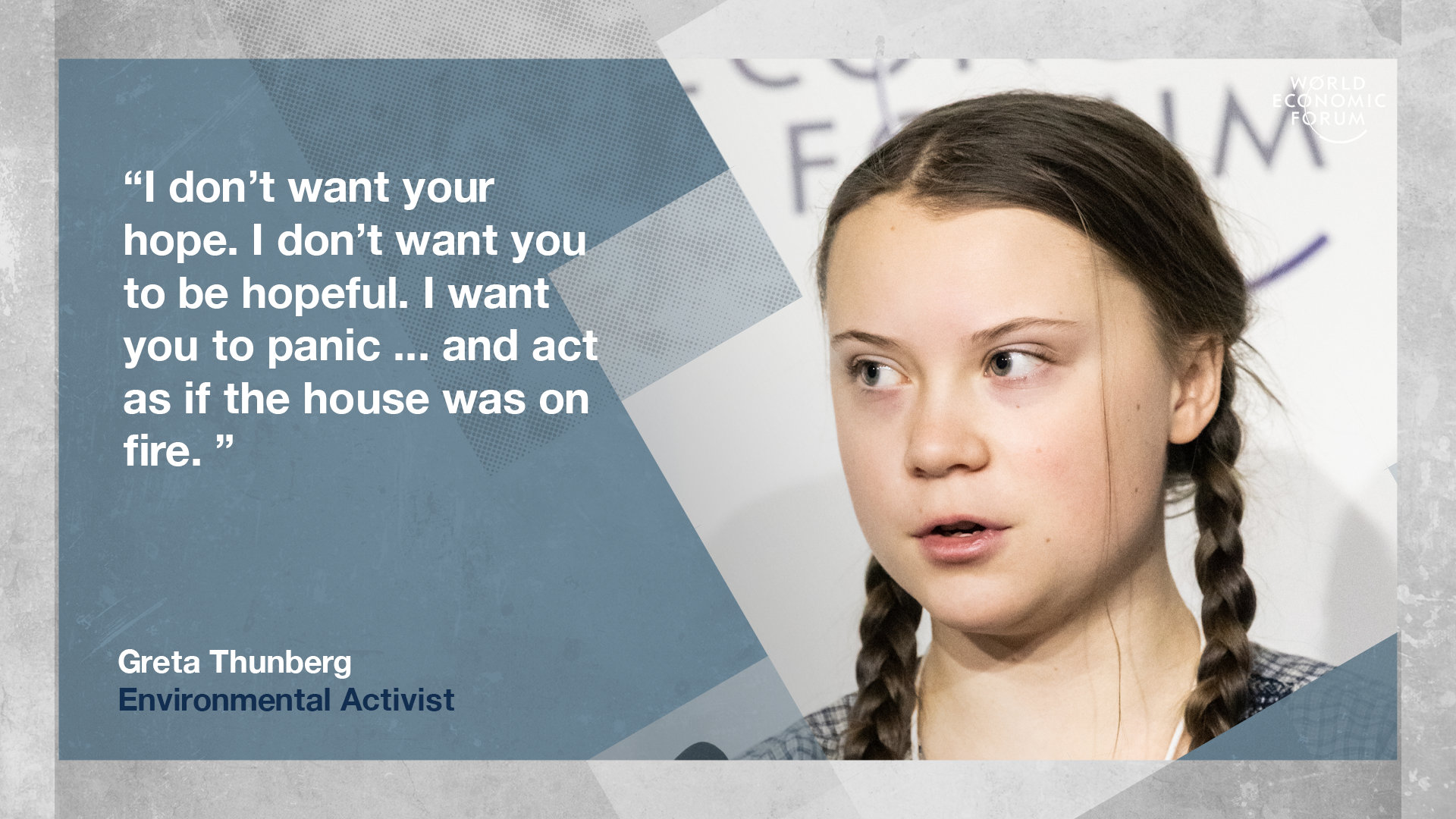
greta-act-as-if-the-house-was-on-fire
Listen to Greta’s speech live at the World Economic forum in Davos 2019. Except for her reliance on the IPCC’s overoptimistic emissions budget, everything she says is spot on that even she, as a child, can understand the alternatives and what has to happen.

In other words, wake up! smell the smoke! see the grimly frightful reality, and fight the fire that is burning up our only planet so we can give our offspring a hopeful future. This is the only issue that matters. Even the IPCC’s hyperconservative Sixth Assessment WG2 Report that looks at climate change’s global and regional impacts on ecosystems, biodiversity, and human communities makes it clear we are headed for climate catastrophe if we don’t stop the warming process.

Scott Morrison and his troop of wooden-headed puppets are doing essentially nothing to organize effective action against the warming. In fact all they doing is rearranging the furniture in the burning house to be incinerated along with anything and everyone we may care about.

In Greta’s words, “even a small child can understand [this]”. People hope for their children’s futures. She doesn’t want your hopium. She wants you to rationally panic enough to wake up, pay attention to reality, and fight the fire…. so our offspring can have some hope for their future. Vote Climate One’s Traffic Light Voting System will help you use your preferential votes wisely on behalf of our offsprings’ future.
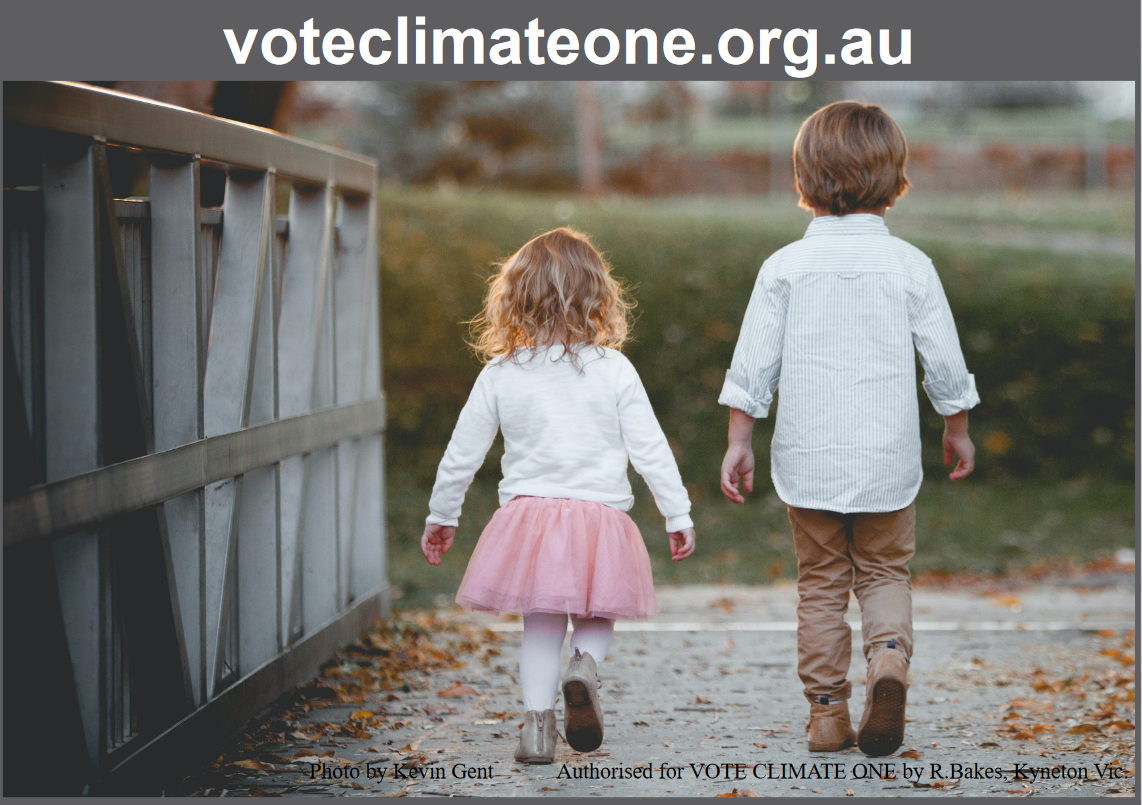
Our young ones are walking into an unknown future. Give them hope and not the Ukraine.

Featured image: Fig. 17 from the Climate Council Report, THE LOST YEARS: COUNTING THE COSTS OF CLIMATE INACTION IN AUSTRALIA


Views expressed in this post are those of its author(s), not necessarily all Vote Climate One members.

Great govt. planning! Boost fossils not renewables

COALition continues funding fossil fuel patrons while neglecting/cutting 21st Century green/ renewable growth industry sector. Who benefits?

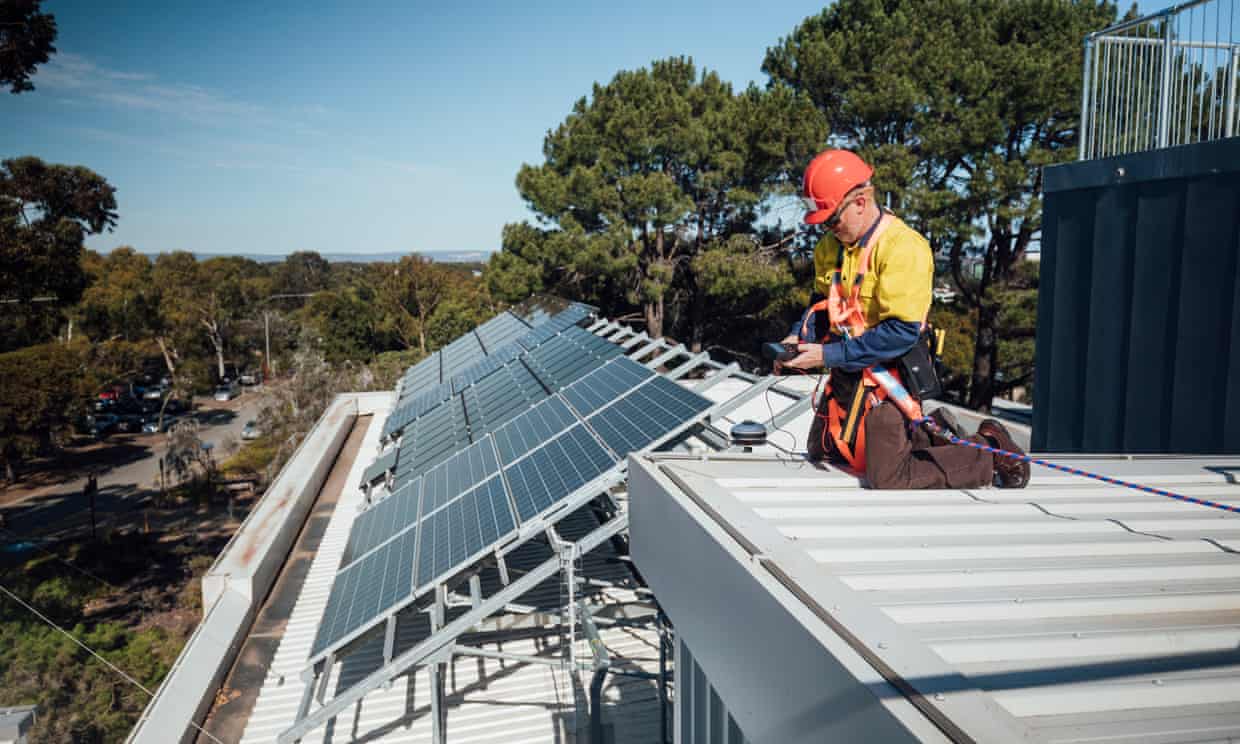
Renewable energy generates 1.6 times the electricity used by Australian households, with 2021 the fifth year in a row of record new capacity. Photograph: SolStock/Getty Images / from the article

Australia’s renewables boom fading as investors lose confidence, energy council says: Clean Energy Council says Morrison government’s lack of ‘meaningful policies’ and leadership on climate could mark start of downturn

Australia’s boom in rooftop solar and large-scale renewables is fading as investors lose confidence, with the lack of coordination by the Morrison government partly to blame, according to the Clean Energy Council.

The warning comes as the industry marked its latest record year for household solar, wind and solar farms, and big batteries. Renewable energy’s share of the electricity supply reached 32.5%, doubling since 2017, the council said in its annual report.

Read the complete article….

Featured Image: Logo Renewable Energy by Melanie Maecker-Tursun V2 green. Melanie Maecker-Tursun Creative Commons Attribution-Share Alike 4.0

Views expressed in this post are those of its author(s), not necessarily all Vote Climate One members.

Floods and then more floods! Can we expect more yet?

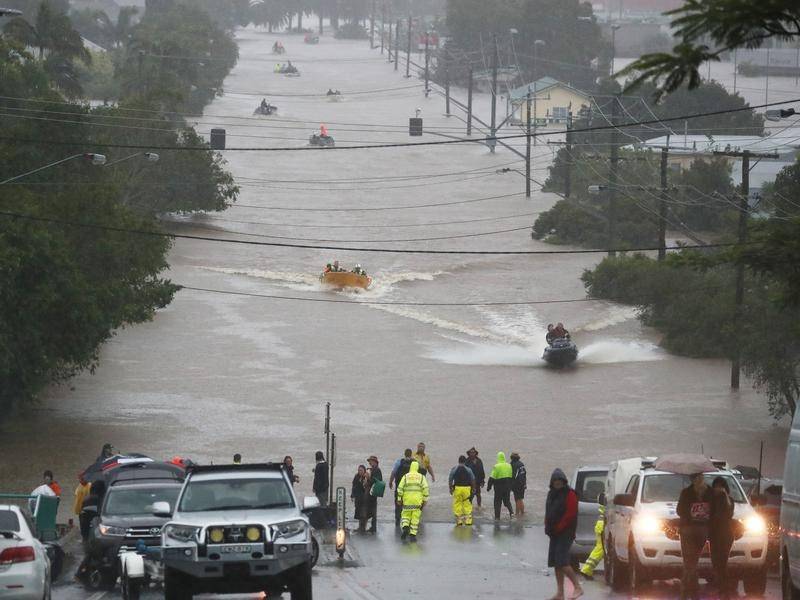
Multiple floods in La Niña years are not unknown in Australia, but global warming can supply more water that makes extreme flooding even worse.

Jason O’Brien/AAP Image from the article

by Margaret Cook, 31/03/2022 in the Conversation

Why can floods like those in the Northern Rivers come in clusters?

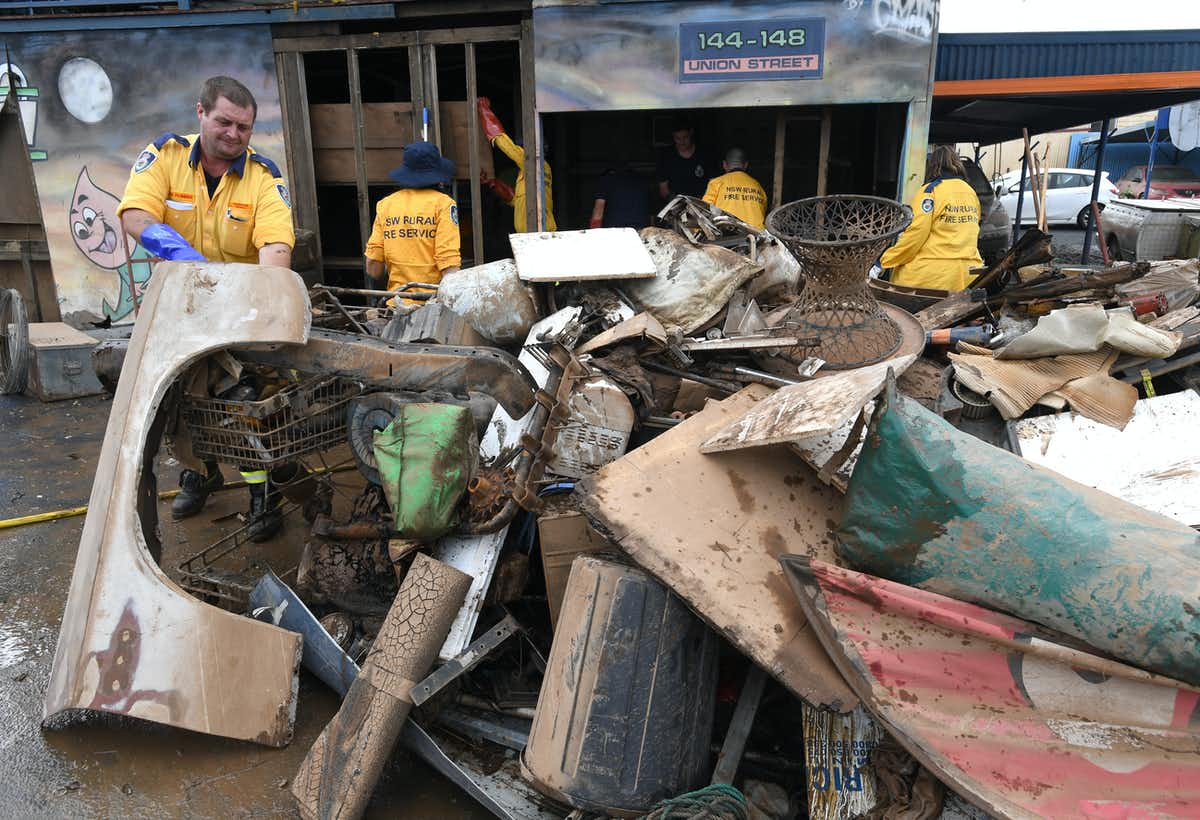
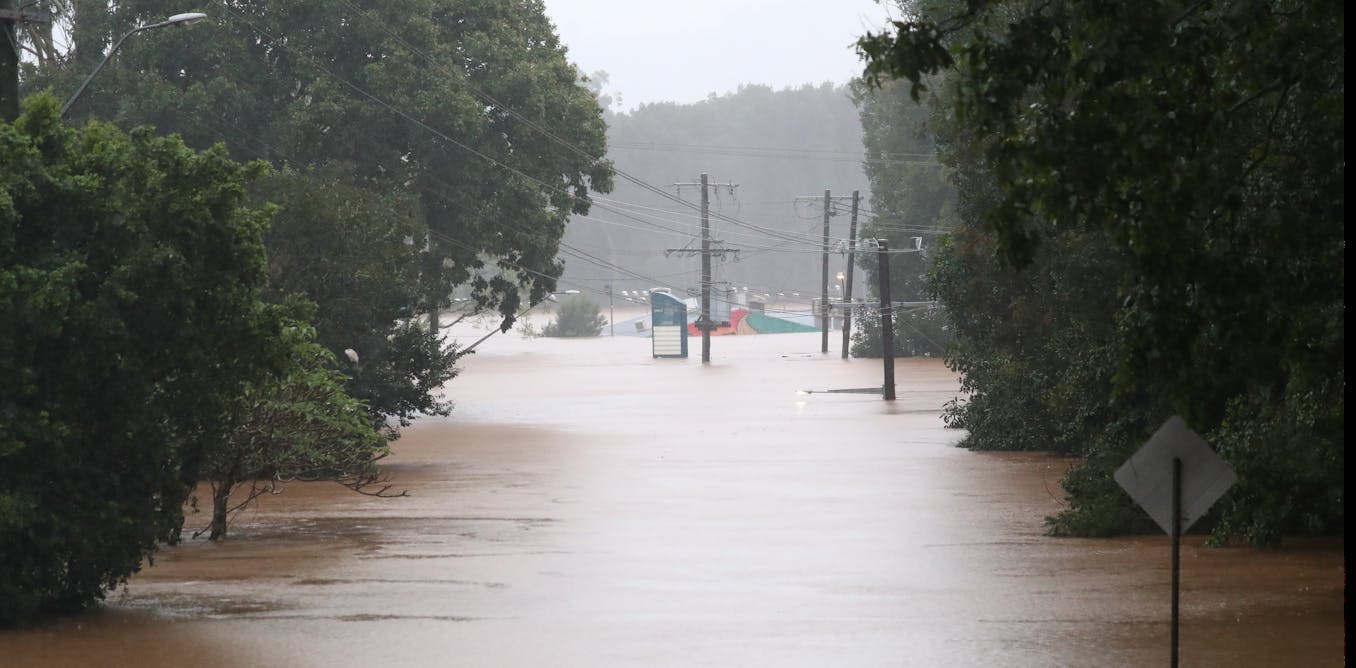
Right now, Lismore residents are going through their second major flood in a month.

On February 28th, the devastating first flood peaked at 14.4 metres, fully two metres higher than the previous record of 12.27 metres in 1954, and well above the town’s 10-metre-high levee wall, constructed in 2005. Four people died, with 2000 homes destroyed or unlivable of the city’s 19,000.

Even as Lismore and Northern Rivers residents struggle to recover from the first flood, the floods are coming again. On March 29th, more heavy rain began falling onto the soaked catchment feeding into Wilsons River.

Read the complete article….

Featured Image: Lismore locals are still cleaning up after February’s floods – now they are being hit again. Darren England/AAP Image / from the article.

Views expressed in this post are those of its author(s), not necessarily all Vote Climate One members.

We ignore those who know most about land we occupy

The world’s first nations people have been surviving since the ice ages on lands we occupy. We ignore their knowledge at our perils.

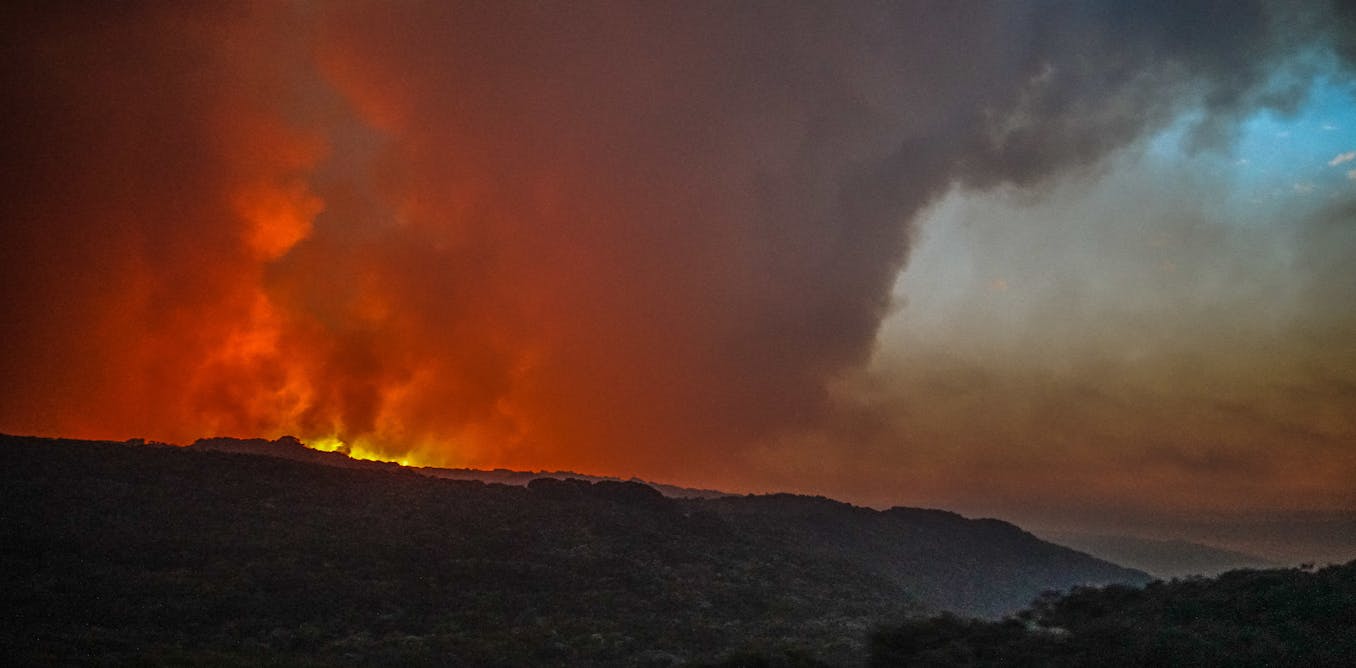
Calgardup Bushfire burning in Margaret River. DFES Incident Photographer Sean Blocksidge/AAP Image/ / from the Article.

by Janine Mohamed, et al., 29/03/2022 in The Conversation

Indigenous peoples across the globe are uniquely equipped to deal with the climate crisis – so why are we being left out of these conversations?

The urgency of tackling climate change is even greater for Aboriginal and Torres Strait Islander people, and other First Nation peoples across the globe. First Nations people will be disproportionately affected and are already experiencing existential threats from climate change.

The unfolding disaster in the Northern Rivers regions of New South Wales is no exception, with Aboriginal communities completely inundated or cut off from essential supplies.

Aboriginal and Torres Strait Islander peoples have protected Country for millennia and have survived dramatic climatic shifts. We are intimately connected to Country, and our knowledge and cultural practices hold solutions to the climate crisis….

Read the complete article….

Castlemaine (Vic.) author Lynne Kelly explains how Aboriginal song lines and similar tools in other primary oral cultures accurately preserve and transmit survival knowledge down through hundreds of generations.

Views expressed in this post are those of its author(s), not necessarily all Vote Climate One members.

What ‘Mr Doesn’t Hold a Hose’ thinks of Global Warming

Budget papers show Morrison government plans to cut climate spending if it wins election: Reduction in spending across clean energy agencies represents a 35% annual cut over four years.
By Adam Morton, 29/03/2022 in The Guardian

Views expressed in this post are those of its author(s), not necessarily all Vote Climate One members.

35% of world’s electricity comes from ‘clean’ sources

Wind and solar count for 10% of total, but coal is also rising. At 10% in two years, Australia is switching fast to green sources

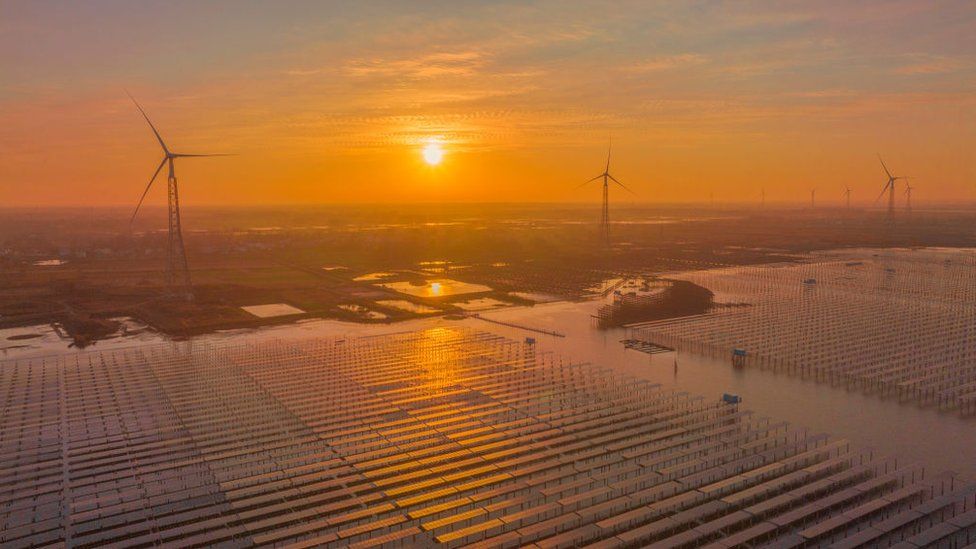
Wind and solar installations grew at pace in 2021 / Getty, from the article.

by Matt McGrath, 30/03/2022, in BBC.com

Climate change: Wind and solar reach milestone as demand surges: Wind and solar generated 10% of global electricity for the first time in 2021, a new analysis shows.

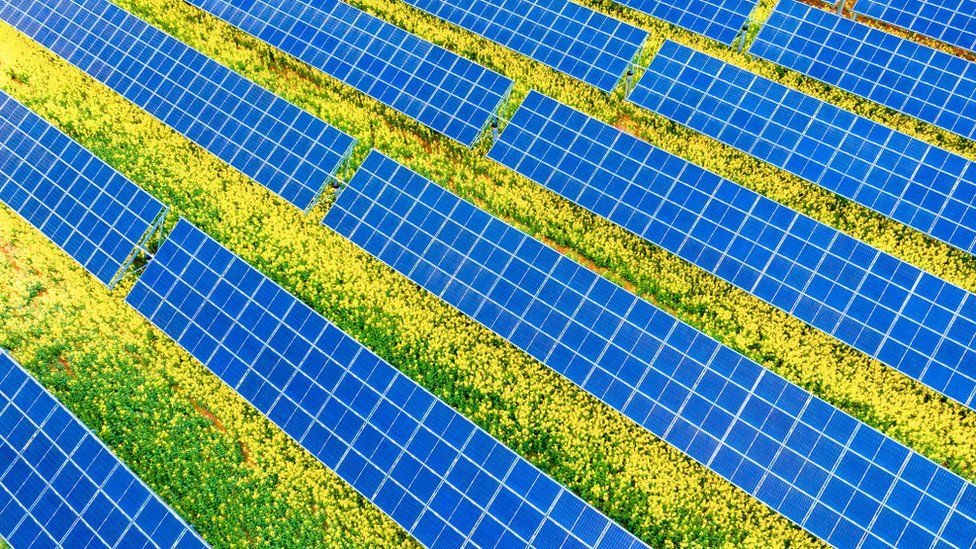
Featured Image: Solar farm / Getty, from the article.

Views expressed in this post are those of its author(s), not necessarily all Vote Climate One members.

Excuse profanity, but Juice Media tells the truth

Floods and climate disasters will keep rising until global warming is reversed. Scummo’s govt. will only continue shoveling coal on the fire.

Honest Government Ad | The Floods
The Australian Government has made an ad about this summer’s floods and it’s surprisingly honest and informative – 17/03/2022 in thejuicemedia

Editor’s comment: This was recorded BEFORE the present NB4 flooding in a sequence of NB4 floods…. Think about who you are voting for!

Featured image: River levels could top 16 metres at Lismore amid more expected rain, the weather bureau says. / from Northern Beaches Review article 28/02/2022 by Australian Associated Press, NSW flood crisis ‘unprecedented’: premier

Views expressed in this post are those of its author(s), not necessarily all Vote Climate One members.

What Mr ‘Doesn’t Hold a Hose’ thinks of Global Warming

Budget papers show Morrison government plans to cut climate spending if it wins election: Reduction in spending across clean energy agencies represents a 35% annual cut over four years.
By Adam Morton, 29/03/2022 in The Guardian

Views expressed in this post are those of its author(s), not necessarily all Vote Climate One members.

Last Horseman: warming & near-term mass extinction

A 2016 article lays out where we were then compared to past extinctions. We are now closer to point of no return. Warming must be stopped!

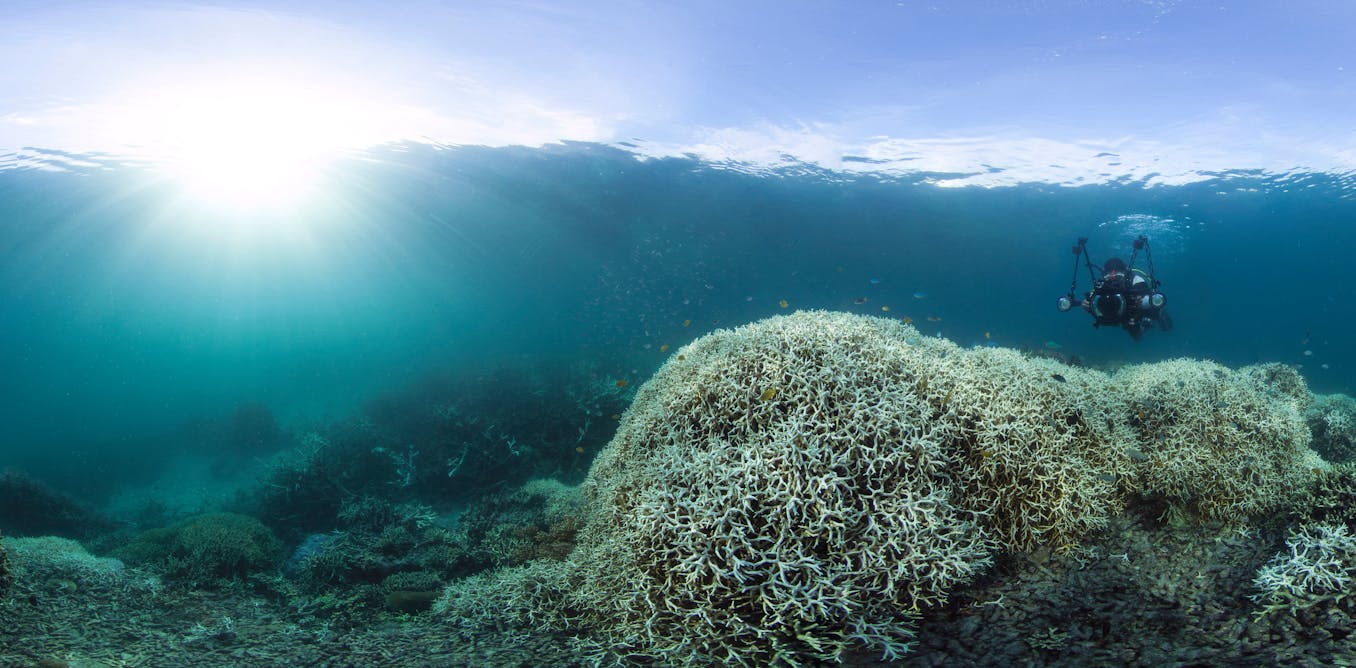
Coral bleaching in March 2016. Rapid rises of greenhouse gases in the past have been linked to major extinctions in the oceans. XL Catlin Seaview Survey / via the article.

by Katrin Meissner & Kaitlin Alexander , 24/03/2024 in the Conversation

Mass extinctions and climate change: why the speed of rising greenhouse gases matters

[G]reenhouse gases are rising faster than at any time since the demise of dinosaurs, and possibly even earlier. According to research published in Nature Geoscience this week, carbon dioxide (CO₂) is being added to the atmosphere at least ten times faster than during a major warming event about 50 million years ago.

We have emitted almost 600 billion tonnes of carbon since the beginning of the Industrial Revolution, and atmospheric CO₂ concentrations are now increasing at a rate of 3 parts per million (ppm) per year.

With increasing CO₂ levels, temperatures and ocean acidification also rise, and it is an open question how ecosystems are going to cope under such rapid change.

Read the complete article….

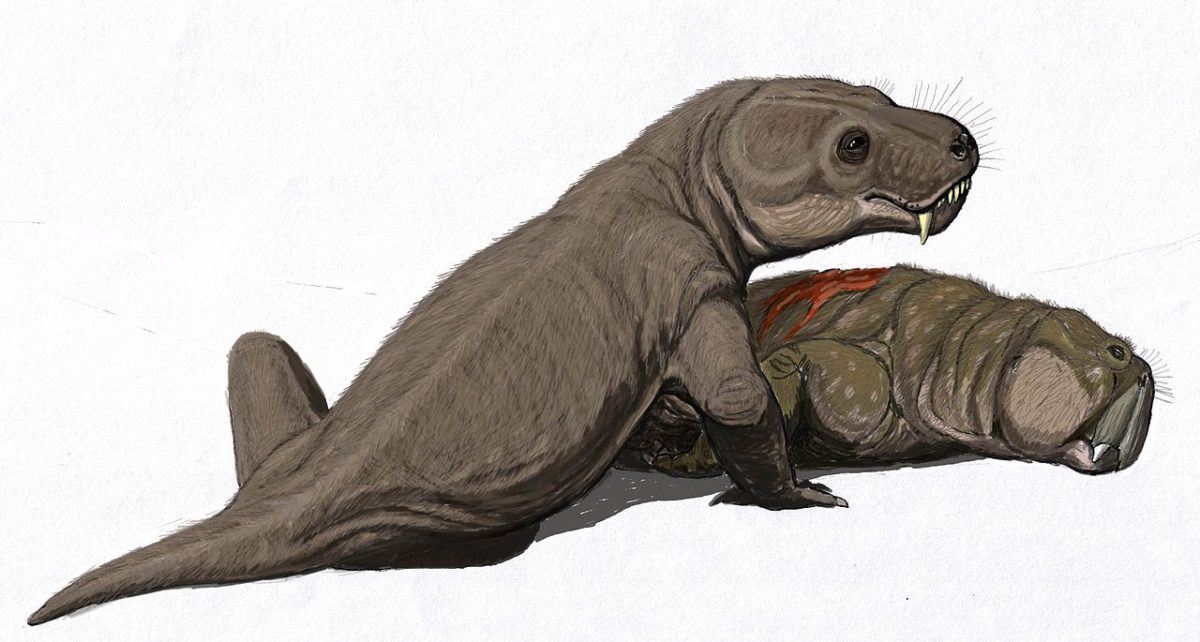
Featured image: Moschorhinus kitchingi with Lystrosaurus. Basal Triassic of South Africa. Lystrosurus was one of the few large animals that survived the Permian-Triassic global mass extinction event anywhere on the planet. Source: Creator:Dmitry Bogdanov / Permission is granted to copy, distribute and/or modify this document under the terms of the GNU Free Documentation License, Version 1.2 or any later version published by the Free Software Foundation; with no Invariant Sections, no Front-Cover Texts, and no Back-Cover Texts.

Views expressed in this post are those of its author(s), not necessarily all Vote Climate One members.

Following today’s Apocalyptic topic back to last year

Considers the grim Apocalyptic Horsemen of too many people and too much consumption in a world approaching runaway global warming

Daniel Mariuz/AAP / from the article

by Corey J. A. Bradshaw, et al., 13/01/2021 in The Conversation

Worried about Earth’s future? Well, the outlook is worse than even scientists can grasp

Anyone with even a passing interest in the global environment knows all is not well. But just how bad is the situation? Our new paper shows the outlook for life on Earth is more dire than is generally understood.

The research published today reviews more than 150 studies to produce a stark summary of the state of the natural world. We outline the likely future trends in biodiversity decline, mass extinction, climate disruption and planetary toxification. We clarify the gravity of the human predicament and provide a timely snapshot of the crises that must be addressed now.

The problems, all tied to human consumption and population growth, will almost certainly worsen over coming decades. The damage will be felt for centuries and threatens the survival of all species, including our own.

Read the complete article….

The article here is based on the reserch paper, Underestimating the Challenges of Avoiding a Ghastly Future by Bradsaw et al., 13/01/2021 in Frontiers in Conservation Science.

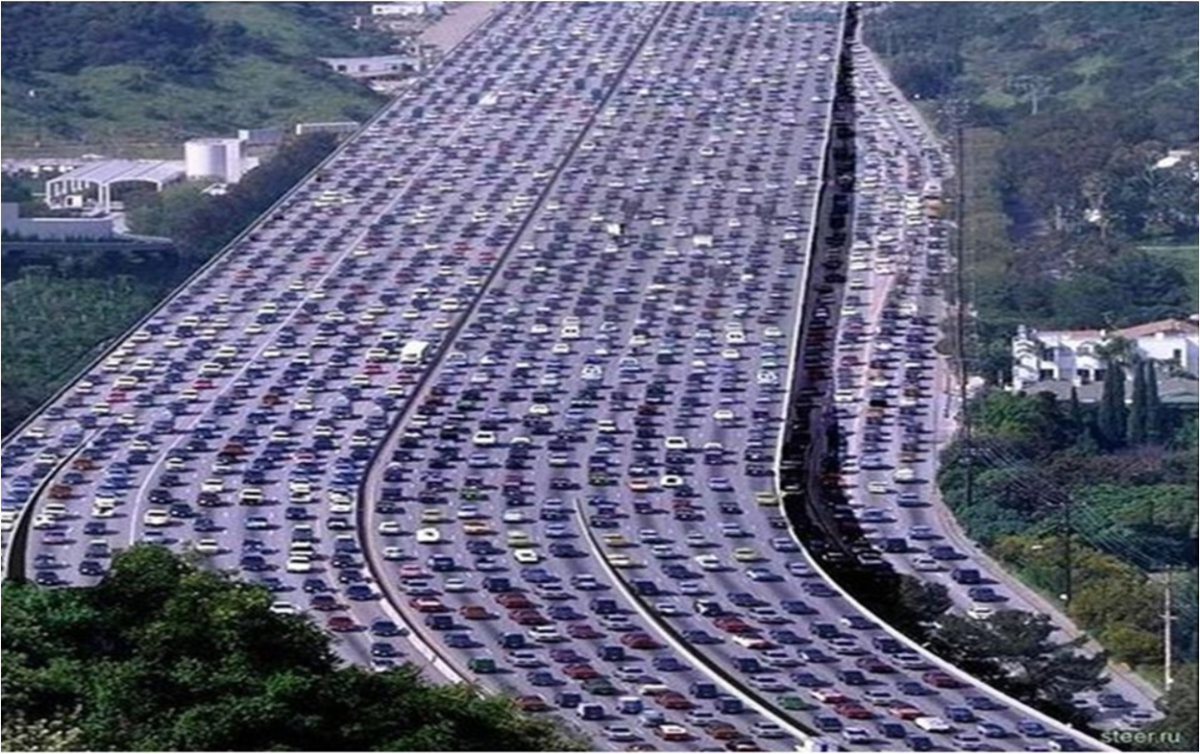
Featured image: Said to be the longest traffic jam in the world — in China (https://www.mirror.co.uk/news/world-news/worlds-worst-traffic-jam-drone-6594560): Source: unknown, but appearing in many places.

Views expressed in this post are those of its author(s), not necessarily all Vote Climate One members.