Dr Norton is a specialist in theoretical physics and applied mathematics who has applied his analytical mind to issues relating to climate change and its dangers to humanity.
The UNFCCC is the United Nations Framework Convention on Climate Change – The intergovernmental body responsible for COP and IPCC processes relating to the understanding of and acting on the ongoing process of climate change.
The Global Stocktake established in the Paris Agreement (GST) is a process for taking stock of the implementation of the Paris Agreement with the aim to assess the world’s collective progress towards achieving the purpose of the agreement and its long-term goals (Article 14).Decision 19/CMA.1 outlines the modalities and sources of input for the GST.
The Vote Climate One submission states:
3.1 Best available science shows that supply-side action is required [Q5a]
The Paris Agreement has been relying on demand-side action (via emission reduction NDCs) to reduce the global GHG pollution rate. The world’s governments have been too slow to respond. Best available science shows that supply-side action to reduce fossil fuel (FF) production is now also urgently required: it is now physically impossible for reductions in GHG emission rates to alone suffice in preventing the climate chaos and catastrophic environmental losses that will ensue if warming is not limited to 1.5◦C.
3.1.1 Planned over-production of fossil fuels [Q1, Q4]
The Production Gap Report [1] — first launched in 2019 — tracks the discrepancy between governments’ planned fossil fuel production and global production levels consistent with limiting warming to 1.5◦C or 2◦C. Key findings of the 2021 report (page 4) include,
• “the world’s governments plan to produce more than twice the amount of fossil fuels in 2030 than would be consistent with limiting warming to 1.5◦C” • “Global fossil fuel production must start declining immediately and steeply to be consistent with limiting long-term warming to 1.5◦C”
The question of which countries need to take action on fossil fuel production is answered in the report (March 2022), Phaseout pathways for fossil fuel production within Paris-compliant carbon budgets [2].
From the Headline Finding on page 6: Based on a 50:50 chance of not exceeding 1.5◦C,
• “The report makes absolutely clear that there is no capacity in the carbon budget for opening up new production facilities of any kind, whether coal mines, oil wells or gas terminals.” • “A transition based on principles of equity requires wealthy, high-emitting nations to phase out all oil and gas production by 2034 while the poorest nations have until 2050 to end production.”
the Federal Government is still planning to rapidly expand Australia’s FF production and FF exports:
• There are 114 fossil fuel major projects in the Australian Government’s approvals pipeline [4] • The report (May 2022), “Carbon Bombs” – Mapping key fossil fuel projects [5], finds that Australia is planning 23 of the world’s 425 carbon bomb projects (each exceeding 1Gt CO2).
When Prime Minister Albanese was recently asked why Labor would not consider the Greens policy of “no new FF mines”, the final point he made to terminate the discussion was that the UN, “measure emissions based upon where they occur, not where the product comes from” [6]. Similarly, when Australia’s new Environment Minister, Tanya Plibersek, was asked if the fastest way to reduce emissions wasn’t simply to say “right, no more coal mines”, she was obliged to reiterate Labor’s position [7]:
“We are responsible for the carbon pollution that we emit here in Australia.” [i.e. Our governments have no responsibility for Australian produced carbon that is burned overseas….]
Both Federal and State governments have many levers available to them that could stop or reduce the production of fossil fuels, irrespective of their claims (or not) to be working to reduce or eliminate fossil fuel emissions that are driving the climate towards lethal runaway global warming. Clearly, both major political parties are still working hand in glove with the special interests to keep the fossil fuel industry growing through subsidies and permitting activities.
This is likely to continue as long as the special interests’ supporters are comfortable that they can work for their patrons and still get re-elected. This cozy connection between Parliamentarians and the fossil fuel industry will continue until the puppets are replaced by genuine representatives of voters who care about the future of our climate and the world their children and grandchildren will live (or die) in.
There is a vast array of scientific and observational evidence showing that not only is the world growing ever warmer (thanks to the profligate burning of fossil carbon beginning with the Industrial Revolution), but that we have now warmed our planet enough that we are beginning to cross ‘tipping points’ for a number of positive feedback processes in the Earth System that will continue driving temperatures still higher even without further human intervention. Once positive feedback takes control of the thermostat, Earth’s temperatures will continue rising at an accelerating rate in a runaway global warming process until semi-stable ‘Hothouse Earth’ temperatures are reached. These temperatures will like be too hot and be reached too fast for large slowly reproducing organisms like humans to survive. The result will be our planet’s 6th global mass extinction event. At least two or three of the previous mass extinction events in our fossil record also seem to have been the result of runaway global warming.
Note: Straightforward laws of physics will produce this result unless humans can stop and reverse the process – and we are approaching a point of no return where no conceivable human intervention will be able to stop the feedback process before the fuel is exhausted or the system self-destructs.
Given that we are major users and producers of greenhouse gas emitting fossil fuels, we have to take the responsibility to do something about this….
We need to turn away from the the Apocalypse on the road to hothouse hell, and we won’t do this by continuing cosy relationships with fossil fuel producers and consumers.
In our present situation where most of our governments are still supporting and even funding fossil fuel production and use, the most effective actions we can take as individuals is to change our governments to prioritize action on climate change above all other things. Nothing else matters if we have no future….
States are probably even more important than the Federal Government where climate action is concerned
States enable and regulate mining and production of fossil fuels, and many of the important sources of emissions. Planning, industrial, rural, public safety and others are all primarily state concerns where political and administrative decisions may have considerable impact on regulating carbon emissions. Thus, if you are concerned to influence how your state acts in relation to the climate emergency, you need to elect representatives who will do this rather than bow down to wealthy patrons and vested interests who want to protect their short-term profits rather than humanity’s longer-term future.
The Victorian state election on 26 November is our next opportunity to begin focusing our state parliaments on the need to prioritize climate action. For Victorian voters, this may be the most important vote you ever make: Do you support major parties in their business as usual financial and regulatory support of the fossil fuel industry, or will you vote for a party or independent who is clearly focused on promoting and facilitating climate action?
Applying your decision to preferential voting on the ballot
If you believe that our present Labor government will govern in your interests rather than protecting and supporting their patrons in the fossil fuel and related industries, then go with the flow and don’t concern yourself with the likely consequences of going down their fossil fueled road towards runaway global warming. On the other hand, if you think it is better to work for a sustainable future where your children and their children can hope for a happy future, Vote Climate One can help you elect a government that will actively lead and support this effort.
Our Climate Lens Traffic Light Assessment process will help you to do this most effectively in both houses of Parliament. Also, our Climate Sentinel News provides access to factual evidence about the growing climate crisis to support your thinking, In the May Federal Election, our Traffic Light Voting System made it easy to use factual evidence about where each candidate in your electorate ranks in relation to their commitment to prioritize action on the climate emergency. We have modified this for the Victorian State Election in November.
Peter Trusler’s Self Portrait: Reduction
Featured Image Fig. 1 from Dr Norton’s submission to the UN’s Global Stocktake for the Framework Convention on Climate Change (COP 27, etc.). Shows that when a country like Australia produces fossil fuel, the carbon emissions from that fuel end up in the atmosphere, wherever in the world
Views expressed in this post are those of its author(s), not necessarily all Vote Climate One members.
Global warming gives extreme weather more energy to play with. Unless global warming is stopped and reversed, economies will begin collapsing.
More areas will suffer more extreme damage more frequently, effecting more people…. Until economies can no longer repair the damage from the last catastrophe before the next catastrophe strikes, and begin to collapse into anarchy and chaos…. The same extremes will also begin collapsing whole natural and agricultural ecosystems, eventually leading to mass extinction as the process accelerates.
For example:
Structures and debris float near the shore in the aftermath of ex Hurricane Fiona in Rose Blanche, Newfoundland, on September 25. (John Morris / Reuters / via the Atlantic)
After causing heavy damage across parts of the Caribbean and Bermuda last week, Hurricane Fiona moved north toward Eastern Canada, making landfall this weekend as a post-tropical cyclone. The downgraded storm still packed heavy rain and winds, gusting up to 110 mph, driving storm surges and knocking down trees and power lines. Hundreds of thousands remain without power as emergency crews and utility workers work to clear debris and rebuild lines. Below is a collection of recent images from Nova Scotia, Prince Edward Island, and Newfoundland.
After striking Puerto Rico and wiping out the entire electrical distribution network for the population of 3 million people on the island, Fiona sideswiped Bermuda, then its storm clouds smashed through the Canadian Maritime Provinces, and ended up as a pool of hot air and rain that melted a record lot of ice in southern Greenland:
On 9/26, the Greenland Ice Sheet experienced a late-season melt event related to the remnants of Hurricane Fiona. This was easily a record melt extent for our data archive for the second half of September. At the peak, more 245,000 sq km (94,600 sq mi) had surface melting. pic.twitter.com/p3pHc4etp8
A late-September surface melt event over southwestern #Greenland seems to be linked to Hurricane Fiona, whose remnants tracked into Davis Strait, bringing in warm conditions. Hurricane Fiona was the first major storm of the Atlantic hurricane season, according to @NOAA. pic.twitter.com/tlqkyqO7Z8
With continued global warming these catastrophes can only get worse — as demonstrated last week by Category 3 Hurricane Ian that smashed through Cuba, Florida, and North Carolina, killing at least 125 people as confirmed by body count. I’ve seen no statement of how many are still missing (many victims may have been washed away by the storm surges). This case will be discussed in more detail in another article under preparation.
…And then there is the continuing deluge in eastern Australia, where every river in NSW west of the Dividing Range is in flood as I write this.
There is a vast array of scientific and observational evidence showing that not only is the world growing ever warmer (thanks to the profligate burning of fossil carbon beginning with the Industrial Revolution), but that we have now warmed our planet enough that we are beginning to cross ‘tipping points’ for a number of positive feedback processes in the Earth System that will continue driving temperatures still higher even without further human intervention. Once positive feedback takes control of the thermostat, Earth’s temperatures will continue rising at an accelerating rate in a runaway global warming process until semi-stable ‘Hothouse Earth’ temperatures are reached. These temperatures will like be too hot and be reached too fast for large slowly reproducing organisms like humans to survive. The result will be our planet’s 6th global mass extinction event. At least two or three of the previous mass extinction events in our fossil record also seem to have been the result of runaway global warming.
Note: Straightforward laws of physics will produce this result unless humans can stop and reverse the process – and we are approaching a point of no return where no conceivable human intervention will be able to stop the feedback process before the fuel is exhausted or the system self-destructs.
Given that we are major users and producers of greenhouse gas emitting fossil fuels, we have to take the responsibility to do something about this….
We need to turn away from the the Apocalypse on the road to hothouse hell, and we won’t do this by continuing with business as usual!
It seems to have taken the clear thinking of Greta Thunberg, a 16 year-old girl who concluded school was pointless as long as humans continued their blind ‘business as usual’ rush towards extinction.
Listen to Greta’s speech live at the World Economic forum in Davos 2019. Except for her reliance on the IPCC’s overoptimistic emissions budget, everything she says is spot on that even she, as a child, can understand the alternatives and what has to happen.
In other words, wake up! smell the smoke! see the grimly frightful reality, and fight the fire that is burning up our only planet so we can give our offspring a hopeful future. This is the only issue that matters. Even the IPCC’s hyperconservative Sixth Assessment Report that looks at climate change’s global and regional impacts on ecosystems, biodiversity, and human communities makes it clear we are headed for an existential climate catastrophe if we don’t stop the warming process.
In Greta’s words, “even a small child can understand [this]”. People hope for their children’s futures. She doesn’t want your hopium. She wants you to rationally panic enough to wake up, pay attention to reality, and fight the fire…. so our offspring can have some hope for their future.
In our present situation where most of our governments are still supporting and even funding fossil fuel production and use, the most effective actions we can take as individuals is to change our governments to prioritize action on climate change above all other things. Nothing else matters if we have no future….
States are probably even more important than the Federal Government where climate action is concerned
States enable and regulate mining and production of fossil fuels, and many of the important sources of emissions. Planning, industrial, rural, public safety and others are all primarily state concerns where political and administrative decisions may have considerable impact on regulating carbon emissions. Thus, if you are concerned to influence how your state acts in relation to the climate emergency, you need to elect representatives who will do this rather than bow down to wealthy patrons and vested interests who want to protect their short-term profits rather than humanity’s longer-term future.
Applying your decision to preferential voting on the ballot
If you believe that our present COALition government will govern in your interests rather than their patrons in the fossil fuel and related industries, then go with the flow and don’t concern yourself with the likely consequences of going down their fossil fueled road towards runaway global warming. On the other hand, if you think it is better to work for a sustainable future where your children and their children can hope for a happy future, Vote Climate One can help you elect a government that will actively lead and support this effort.
Our Climate Sentinel News provides access to factual evidence about the growing climate crisis to support your thinking, In the May Federal Election, our Traffic Light Voting System made it easy to use factual evidence about where each candidate in your electorate ranks in relation to their commitment to prioritize action on the climate emergency. We have modified this for the Victorian State Election in November.
Let’s hope that we can stop global warming soon enough to leave them with a future where they can survive and flourish
Featured image: Debris surrounds storm-damaged houses in Port aux Basques on September 26. # (John Morris / Reuters — from the featured article)
Views expressed in this post are those of its author(s), not necessarily all Vote Climate One members.
The rate our green(ish) planet is warming is still rising due to humanity’s carbon emissions. Many species are dying to pay the price.
Nothing humans have done so far seems to have slowed the rate of increase, let alone stopping and reversing the rise. Most animal and plant species, including humans. have genetically determined thermal maximums, i.e., environmental temperature limits above which they cannot survive. The featured article here describes field studies that show what happens when these lethal limits are reached in the environments of some reasonably well known Australian birds.
Without stretching the metaphor, these birds are ‘canaries in the mine’ together with all kinds of other species dying out to warn us that we, too, are at risk of extinction if we fail to stop the process that is progressively warming our globe.
Sadly, many birds at the study site died on hot days. Author provided (from the article)
by Janet Gardiner & Suzanne Prober, 29/9/2022 in The Conversation
Heatwaves linked to climate change have already led to mass deaths of birds and other wildlife around the world. To stem the loss of biodiversity as the climate warms, we need to better understand how birds respond.
Our new study set out to fill this knowledge gap by examining Australian birds. Alarmingly, we found birds at our study sites died at a rate three times greater during a very hot summer compared to a mild summer.
And the news gets worse. Under a pessimistic emissions scenario, just 11% of birds at the sites would survive.
The findings have profound implications for our bird life in a warming world – and underscore the urgent need to both reduce greenhouse gas emissions, and help animals find cool places to shelter.
Read the complete article….
Continued emissions of greenhouse gases (GHGs) from the production and burning of fossil fuel is driving all complex life on Earth (including humans) towards extinction
Climate Sentinel News has published several articles that explain how rising temperatures driven by anthropogenic fossil fuel emissions are triggering further GHG emissions from warming soil, melting permafrost, burning forests and tundra and a variety of other sources. These emissions are making the weather more extreme. But, also, the additional heating from these sources drives global temperatures still higher through positive feedbacks. This will result in what is called ‘runaway warming’. The nature of positive feedback is that it accelerates the rate of change until the driving force is exhausted (i.e., the fuel runs out) or stopped by stronger external forces; or the system itself self-destructs.
Even if we stop all human GHG emissions immediately, it is probably too late to stop the positive feedback processes driving us towards near-term extinction. … However, removing the human contribution will give us more time to work out how to remove GHGs from the atmosphere faster than they are being added by the feedback process — thus providing the external force needed to stop the runaway process. However, if we don’t mobilize effective action very soon, the accelerating feedbacks will likely exceed anything humans can do to stop them.
THIS IS AN EXISTENTIAL CLIMATE EMERGENCY, REQUIRING EMERGENCY MOBILIZATION FOR ACTION TO STOP EMISSIONS AND RECAPTURE A RESPECTABLE FRACTION OF PAST EMISSIONS.
It is clear that our present governments are reluctant or are even refusing to take effective action to stop fossil fuel emissions. Even Labor governments at state and federal levels are committed to supporting new fossil fuel production projects, to say nothing of protecting the ‘rights’ of existing projects to continue their emissions.
We need to turn away from the the Apocalypse on the road to hothouse hell, and we won’t do this by continuing with business as usual!
It seems to have taken the clear thinking of Greta Thunberg, a 16 year-old girl who concluded school was pointless as long as humans continued their blind ‘business as usual’ rush towards extinction.
Listen to Greta’s speech live at the World Economic forum in Davos 2019. Except for her reliance on the IPCC’s overoptimistic emissions budget, everything she says is spot on that even she, as a child, can understand the alternatives and what has to happen.
In other words, wake up! smell the smoke! see the grimly frightful reality, and fight the fire that is burning up our only planet so we can give our offspring a hopeful future. This is the only issue that matters. Even the IPCC’s hyperconservative Sixth Assessment Report that looks at climate change’s global and regional impacts on ecosystems, biodiversity, and human communities makes it clear we are headed for an existential climate catastrophe if we don’t stop the warming process.
In Greta’s words, “even a small child can understand [this]”. People hope for their children’s futures. She doesn’t want your hopium. She wants you to rationally panic enough to wake up, pay attention to reality, and fight the fire…. so our offspring can have some hope for their future.
Victorian Labor with a majority in Parliament is still supporting the petrochemical industry and gas guzzling private transport; and a Liberal Government in power would be even worse! What we need is to have a minority government where climate friendly greens and independents have the balance of power to ensure that effective climate action is prioritized and mobilized.
How can we ensure this to respond effectively to the climate crisis?
Individual actions can help a bit, but real solutions demand concerted actions at all government levels (global, national, state, and local).
The UN through the Intergovernmental Panel on Climate Change (IPCC) and COP process is trying to provide the science basis and coordination. But is hampered by major nations such as the USA, China, Russia, and Brazil.
With the April Federal Election, Australia has made significant progress towards taking the climate seriously as enabled by the Teals and Greens decimation of the science denying Liberal Government to put Labor in power. But labor still supports continuing (and even expanding) fossil fuel production.
In Australia, the states actually have the most direct power over industry and environmental protection, but most are still working to protect the fossil fuel industries from from being harmed by environmental regulations, etc. as might be required to stop GHG emissions.
Even local governments can play a role in climate and environmental protection through zoning and development controls, but generally they work for the developers rather than citizens.
Victorians go to the polls on 26 November. All seats will be up for election/re-election. Voters have the possibility to completely change the government if they so desire. If you are a Victorian concerned about our future in a warming environment, assuming anyone is running on this issue, you can use your vote to help elect a candidate in your electorate who will work for action on the climate emergency. However, where the parties can heavily fund their candidates, and several independents and minor party candidates trying to be all things for all people, it is very hard to know how you should vote to have the maximum chance of electing a climate ‘friendly’ candidate.
Vote Climate One will help you make your choices for the upper and lower houses with our Traffic Light Voting Guides under preparation for the Victorian election (see our Climate Lens Traffic Light Assessment page for a foretaste). Voting for the Legislative Council is important, and we advise you to vote below the line to maximize your chances to elect a climate friend, but as Anthony Green explains, Victoria’s Group Voting Ticket makes it very difficult to ensure that some ‘preference harvesting’ deal doesn’t apply your vote to someone you wouldn’t want to elect on a bet. Our voting guides for the Legislative Council contests will be designed to make voting below the line as safe and easy to use as possible based on our analyses of each candidate’s climate credentials.
Featured image: A Jacky Winter at the study site showing signs of dehydration on the morning following a 47℃ day. Author provided (from the article)
Views expressed in this post are those of its author(s), not necessarily all Vote Climate One members.
If you’re concerned to elect a climate ‘friendly’ representative doesn’t win and you vote ‘above the line’, your preference may end up going in a different direction entirely because of reciprocal preference deals! Vote Climate One is designed to help you by making voting below the line a lot easier. See our Climate Lens Traffic Light Assessment.
Featured Image: From Anthony’s blog – The worst ballot paper ever in Australia was the infamous 1999 NSW Legislative Council ballot paper, the infamous ‘tablecloth’. It had 81 columns on a triple decked ballot paper one-metre by 700mm. Here’s what it looked like.
Views expressed in this post are those of its author(s), not necessarily all Vote Climate One members.
Queen Elizabeth II waits in the drawing room at Balmoral [two days before her death] to receive Liz Truss, the incoming prime minister. Photograph: Reuters (via the Guardian)
The event
Queen Elizabeth’s funeral marks the end of an era.
What era?… And, exactly what have we been celebrating?…
Australia, and indeed, seemingly most the rest of the world has spent the last two weeks mourning the passing of a 97 year old lady on the other side of the globe with a panoply of highly organized pomp and circumstances that I don’t think has been equaled anywhere/anytime on the planet in my lifetime of 83 years. It has clearly been a celebration of the end of an era….
As an evolutionary biologist I tend to take a broader and longer term view of world events than most people. I have spent my life considering the diversity of life and the roles humans play in it (having taught university courses in biogeography and evolutionary biology). Where time is concerned, I have studied the history of life from its origin on Earth more than 4.5 billion years ago, to humanity’s likely path into the future and its impact on the planetary biosphere.
I will argue here that recent funeral is for very much more than just the end of the life of a respected old lady. For most of us we are celebrating the life of Britain’s longest reigning monarch (and the second longest reigning monarch anywhere in the world). As far as monarchs go, Elizabeth was undoubtedly exemplary. For 75 years she provided the ceremonial focus for an endless list of Commonwealth, British, regional and even local events and milestones — and truly ‘died with her boots on’ in the service of the state, appointing and welcoming her 15the Prime Minister of the United Kingdom only two days before her death.
Beyond this, QE2 reigned over the waning days of the of the island nation that had given birth to the Industrial Revolution and for a century or so had dominated the entire planet. Thanks to the debilitation caused by World Wars and the recent disconnection from the broader world leading to Brexit, there is even increasing pressure in the minor kingdoms of the UK (e.g., Scotland, Northern Ireland, and Wales) to disunite from England. And then there is the Commonwealth, where a number of its nations are progressively distancing themselves from the monarchy.
The extent of the Funeral, is at least partially a funeral for the lost grandeur of an Empire that is diminishing like a leaking and shrinking balloon.
Unprecedented logistics and costs
However, personally, I could not but ponder the monumental cost of planning, organizing, and organizing the logistics for the two week long event. Around 500 of the heads of state, royal families and other international notables, together with thousands of British notables, will be catered for (and guarded) at the main events. And then there are the hundreds of thousands over several days willing to queue for up to 24 hours just to pass by the Coffin to pay their respects. Beyond this there are the uncountable numbers of people filling public spaces just to watch the funeral procession pass by.
The hearse carrying the coffin of Britain’s Queen Elizabeth is escorted along the Long Walk towards Windsor castle in the funeral procession, on the day of the state funeral and burial, in Windsor, Britain, Sept. 19, 2022. Paul Childs/Reuters via ABC News
And then there is the phenomenal cost of all the perishable ceremonial gear. For example, several hundred to more than a thousand bearskin hats were worn by the ceremonial guards. The skin of a single Canadian black bear, costing around £750, is required for each hat, with no hint being provided re the cost of turning the skin into a hat, and then the cost of clothing and training the troops for their essentially absurd ceremonial duties.
Consider the Crown Jewels (most are crystallized carbon) being displayed for the Funeral…
Imperial State Crown of the United Kingdom. Source G. Younghusband; C. Davenport (1919). The Crown Jewels of England. London: Cassell & Co. p. 6.) Photograph: Cyril Davenport (1848 – 1941). Retouched by Firebrace to incorporate 1937 modifications for George VI’s coronation.
The Imperial State Crown has never been formally appraised, but on its own it is estimated to have a value of £1-5 BILLION ! The jewels consist of:
2,868 diamonds, including the the 317.4 carat Cullinan II diamond (third largest cut white diamond in the world)
269 pearls, including four large hanging pearls that belonged to Queen Elizabeth I
The Orb is a representation of the sovereign’s power, symbolising the Christian world, with its cross mounted on a globe, and the bands of jewels dividing it up into three section representing the three continents known in medieval times. During the coronation service the new sovereign is first anointed with holy oil, then robed in coronation robes, and then invested with a number of ornaments symbolising the chivalric nature of kingship. These include the spurs, swords and armills and then the Sovereign’s Orb, which is placed in the right hand of the monarch, before being placed on the altar.
To me, the display of the Coronation Regalia on the coffin and the surrounding pomp and antique tradition as the Queen’s remains progressed from Westminster Abby to their place of internment in Windsor Castle look back to the past majesty of the British Imperial power that no longer exists — a power that enabled the Industrial Revolution ad consequently dominated and exploited more of Earth’s human and natural resources than any other nationhas ever done.
Thus, we have spent the last two weeks commemorating a now passed world when humans (especially Anglophones) were taught and believed that they had a divine right to planetary dominion — and acted on that premise. We are now living with the consequences of that dominating world view.
Requiem for a once green and vibrant planet and a species that believed it had dominion over it
For nearly two weeks the only thing in our daily news (to the exclusion of almost anything else (except football finals) related to the Queen’s death, her funeral. her life and times, and her heirs. Clearly this was the only thing people needed to know and think about.
Personally, the fact that the inevitable death of a very old lady totally stops the news (and most action) on our biosphere’s progression towards mass death (including the likely end of our own species — probably within a century (which was, incidentally, the Queen’s lifespan) gives me little confidence that humans will act sufficiently stop our own progress towards oblivion. Thus, I could not help but see the funeral as a celebration of the accelerating decline and impending end of our past 3+ billion years of evolving life.
Very few large, long lived, and complex species of organisms will be able to adapt fast enough to cope with 10+ °C increases in average temperatures. They will either be killed directly as their genetically determined temperature maxima are exceeded, or will die-out as the ecosystems supporting them collapses through the death and extinction of keystone or foundation species providing ecological services other species require at some point in their individual life-cycles (corals and kelp are keystone species showing what happens when they die out).
I wonder how much progress towards stopping the progress of global warming would have been made if the same organizational and logistic effort spent on organizing and putting on the Funeral had been spent focusing on climate action to say nothing of what might be achieved by devoting Royalty’s immense wealth represented by their holdings in carbon crystals to developing practical methods for removing excess carbon from the atmosphere.
In a sense, the time and resources spent on the Funeral is delaying and possibly reducing the magnitude of responses that might effectively stop global warming in the short time remaining (assuming that it is still possible to stop).
Look Up! Don’t be distracted by pomp and circumstances
Listen to Greta’s speech live at the World Economic forum in Davos 2019. Except for her reliance on the IPCC’s overoptimistic emissions budget, everything she says is spot on that even she, as a child, can understand the alternatives and what has to happen.
In other words, Wake up! Smell the smoke! Look around and see the grimly frightful reality. Fight the fire that is burning up our only planet so we can give our offspring a hopeful future. This is the only issue that matters. Even the IPCC’s hyperconservative Sixth Assessment Report that looks at climate change’s global and regional impacts on ecosystems, biodiversity, and human communities makes it clear we are headed for an existential climate catastrophe if we don’t stop the warming process.
In Greta’s words, “even a small child can understand [this]”. People hope for their children’s futures. She doesn’t want your hopium. She wants you to rationally panic enough to wake up, pay attention to reality, and fight the fire…. so our offspring can have some hope for their future.
Because the climate emergency is such a major problem, there is no hope of surviving it without having government resources, leadership and intergovernmental cooperation. The fossil fuel magnates are still working very effectively to stop action that might be immediately harmful to their special interests (long term survival is beyond the range of their radars). They still buy the allegiances of the major parties to look out for their interests. For this reason your votes in national, state and local elections are still your most powerful tools for generating effective climate action.
Victorian voters: See VoteClimateOne’s Voting Guides for your electorates. The Victorian Guides will be posted on-line as soon as the Victorian Electoral Commission posts the final candidate lists. Our Victorian Guides will work much like our Federal Election Guides that provided how-to-vote information and more for each of the 151 federal electorates and the Senate. Assuming we can get some help from NSW groups, we’ll also produce information for the NSW State Election next year.
Featured Image: King Charles III follows behind the coffin of Queen Elizabeth II as it is carried out of Westminster Abbey. The hours-long ceremony reminded viewers of the power of silence. (WPA Pool / Getty Images) / via the LA Times (read the article)
Views expressed in this post are those of its author(s), not necessarily all Vote Climate One members.
The UN’s World Meteorological Organization warns us that we have done nothing to slow the global warming caused by our carbon emissions.
Message from the UN’s Secretary-General in the article
Geneva, 13 September 2022 (WMO) – Climate science is clear: we are heading in the wrong direction, according to a new multi-agency report coordinated by the World Meteorological Organization (WMO), which highlights the huge gap between aspirations and reality. Without much more ambitious action, the physical and socioeconomic impacts of climate change will be increasingly devastating, it warns.
The report, United in Science, shows that greenhouse gas concentrations continue to rise to record highs. Fossil fuel emission rates are now above pre-pandemic levels after a temporary drop due to lockdowns. The ambition of emissions reduction pledges for 2030 needs to be seven times higher to be in line with the 1.5 °C goal of the Paris Agreement….
If you are concerned about this visibly escalating climate emergency, but think there is nothing you can do about it, think again!
Major political parties primarily represent the vested interests who fund their candidates and election campaigns and work hard to protect their patrons. Many of these include rich fossil fuel and related industries (many based overseas) who would be harmed by climate action. As single individuals, we have been powerless to change the world against the political might of the ‘patrons’ and their government puppets…. But where your local communities and governments can coordinate together with a common goal to elect governments responsive to their citizens, we CAN change the world.
However, even with Greens support, Labor is still one short of a majority in the Senate. This gives Pocock, a community independent, the deciding vote. As an immigrant rugby player from New Zealand, arguably he has become the most important senator in the Australian Parliament where climate action and integrity are concerned — selected, supported and endorsed by the Climate Change the local ACT community independently from the discipline of any political party.
If you and your local community are unhappy with the way your sitting state or federal parliamentarians are representing your interests, the teal community independents can show you how to empower your communities to change that.
Work with your friends and neighbors to decide what you want from your representative(s) in government, select someone from your community to stand for election, support their campaign, and then vote them into office. My research as Editor of Climate Sentinel News, documents in detail how this works, and introduces the fabulous support network that the the successful teal community independents have developed to help empower other communities to become independent of the special interests supporting major party candidates:
A rising tsunami of teal independents is transforming our democracy representing special interests to a participatory democracy of community representatives.
As noted in my many posts to Climate Sentinel News, it is becoming increasingly evident that humanity on our only planet faces near term extinction if we don’t manage to stop and reverse the global warming process we have started through our profligate burning of fossil fuels. Their emissions are preventing the Earth from radiating away excess solar energy. This imbalance between incoming and outgoing heat energy causes the world to grow warmer. Unfortunately the problem is global and can only be solved on a global scale through the cooperation of governments – which makes it unavoidably political.
The difficulty of solution is only compounded by the fact that the unimaginably rich global fossil fuel industry has been fighting for decades to disrupt and stop effective actions against global warming/climate change to protect their sources of income from the burning of fossil fuels causing the emissions. Even the supposedly most ‘democratic’ governments have been corrupted so they represent the patrons and special interests (mostly fossil fuel industry related) who support and fund major political parties. This influence is so strong that I have been deeply pessimistic that our governments would ever be able to work effectively to combat climate change and stop our progress along the runaway warming road to extinction.
However, the results of Australia’s May 21 Federal Election provide evidence that Australia has begun to transform its government into one truly representing the substantial majority of voters who want action on climate change to be prioritized above any other issue. Finally there is scope for some genuine optimism that our government(s) will actually work seriously to resolve the climate issues….
The featured image heading this post and the video below show the most recent and best documented evidence that nothing humans have done to date has significantly slowed the accelerating rise in global temperatures driving by rising greenhouse gas concentrations from or directly triggered by human activities. If nothing is actively done on a global scale to stop and reverse these increases, it is inevitable that within a few more decades that our planet will have become uninhabitable to humans and the other living resources we need for our survival.
The graphs above and the video here are pretty clear. Objective measures of our planetary atmosphere show that we have done nothing yet in the world that is changing this prediction.
The video from the US National Oceanic and Atmospheric Administration (NOAA) Global Monitoring Laboratory shows the historical fluctuations in CO2 concentrations in the atmosphere we breathe over the last 800,000 years. It begins in 1979 when detailed daily tracking of atmospheric greenhouse gas concentrations began in a serious way across the globe using both physical sampling and measurements combined with satellite remote sensing. The inset map shows sampling locations, the fluctuating line plots CO2 concentrations by distance of the location south or north of the Equator and the graph shows annual fluctuations and the year-by-year rise in the average concentration for the year up through 2021.
When the present is reached, the x-axis of the graph is extended backwards in time from 1979 using a variety of measurement tools, mostly the CO2 concentration in bubbles of atmospheric gas trapped in bubbles of gas frozen into glacial ice from Antarctica. (The modern and ice-core measurements overlapped for long enough to demonstrate that the different sampling technologies were giving the same results.)
Until now I have been quite pessimistic that adequate action would ever be taken to reverse the trends shown on these graphs as our governments will continue greasing the downhill slide into the death and chaos of global mass extinction.
Community independents and Greens know how to change that, and have shown that they actually have the knowledge and ability to cancel remove the power of major political parties to block effective action.
Action is required! Simply voting for a Party may not ensure our survival (or may even speed our demise). Learn how to Vote Climate One!
I am now decidedly optimistic that humans have the knowledge and power to stop the ultimately lethal processes we have accidentally triggered in our profligate burning of Earth’s carbon resources. All it takes is a willingness for communities to be come fully involved in their own interests in avoiding the extinction of their families and heritage.
If you don’t think a major party you have voted for in the past truly represents your interests (rather than those of their immensely wealthy patrons — who may not even be Australian), Vote Climate One will show you how to maximize the chances that your vote will help to elect someone who will actually represent your community interests. See our Vote Climate One page on Voting Guides. At the moment this reflects the past Federal Election, but it will give the idea of the kind of analysis and information we will provide for the Victorian state election in November. The Victorian State Election guide will not be finalized before Sunday Nov.13th when the Victorian Electoral Commission releases the final list of candidates for each electorate. Prepolling starts on Monday Nov. 14th. We should have draft versions of the Victorian guides on-line around the beginning of November.
If you want to maximize the chances that your vote will actually count towards electing a government that will prioritize acting on climate first, we’ll do the work to make it easy for you to vote effectively.
Listen to Greta’s speech live at the World Economic forum in Davos 2019. Except for her reliance on the IPCC’s overoptimistic emissions budget, everything she says is spot on that even she, as a child, can understand the alternatives and what has to happen.
In other words, before you cast your ballot: Wake up! Smell the smoke! See the grimly frightful reality; and fight the fire that is burning up our only planet so we can give our offspring a hopeful future. This is the only issue that matters. Even the IPCC’s hyperconservative Sixth Assessment Report that looks at climate change’s global and regional impacts on ecosystems, biodiversity, and human communities makes it clear we are headed for an existential climate catastrophe if we don’t stop the warming process. To do this our governments must accept the reality, and work effectively to plan and coordinate the necessary mobilization and action. YOUR VOTE IN THE VICTORIAN ELECTION CAN HELP ENSURE THAT THIS HAPPENS: Vote Climate One in November!
Just one day after the Queen’s death, another deeply sobering study related to the dangers of exceeding 1.5C of global warming was published.
The death of Queen Elizabeth II continues to reverberate globally. The ensuing media frenzy, rabid and ravenous at times, has been quite something to behold. I cannot think of another event or issue that’s received even remotely a similar amount of attention in recent times.
I am not here to argue about the merit and contributions of the Queen and the royal family though, nor a long overdue transition to an Australian republic, or the far too often overlooked, disregarded and darker history and confronting issues, including maintenance of power structures and the ongoing damage and ravages of state-sanctioned colonialism. That is not my place nor area of expertise, and I genuinely want to extend my sincere condolences to all who are saddened and suffering, whatever their reason, and whatever cultural background, political and personal persuasion they may have.
Are we going to wallow in the wall-to-wall 24 hour media coverage surrounding the death of a monarch on the other side of our planet?
This death of an old lady will likely have no more direct impact on us in Australia and our families and children than that the coins in our pockets will eventually have the head of a king facing left instead of the head of a queen facing right, and that we will replace “queen” with “king” in a few mantras, slogans and patriotic songs.
Or,
Are we going pay attention to the reality surrounding us; accept that we, our families, and our species are facing existential dangers from the ever worsening climate emergency accidentally started by the Industrial Revolution’s profligate burning of fossil fuels; and do something about it?
If we fail to act strongly enough and soon enough to stop and reverse the process, we condemn all of our species and its heritage to potential future generations to almost certain death in Earth’s Hothouse Hell that it is currently warming towards.
Views expressed in this post are those of its author(s), not necessarily all Vote Climate One members.
A rising tsunami of teal independents is transforming our democracy representing special interests to a participatory democracy of community representatives
As noted in my many posts to Climate Sentinel News, it is becoming increasingly evident that humanity on our only planet faces near term extinction if we don’t manage to stop and reverse the global warming process we have started through our profligate burning of fossil fuels. Their emissions are preventing the Earth from radiating away excess solar energy. This imbalance between incoming and outgoing heat energy causes the world to grow warmer. Unfortunately the problem is global and can only be solved on a global scale through the cooperation of governments – which makes it unavoidably political.
The difficulty of solution is only compounded by the fact that the unimaginably rich global fossil fuel industry has been fighting for decades to disrupt and stop effective actions against global warming/climate change to protect their sources of income from the burning of fossil fuels causing the emissions. Even the supposedly most ‘democratic’ governments have been corrupted so they represent the patrons and special interests (mostly fossil fuel industry related) who support and fund major political parties. This influence is so strong that I have been deeply pessimistic that our governments would ever be able to work effectively to combat climate change and stop our progress along the runaway warming road to extinction.
However, the results of Australia’s May 21 Federal Election provide evidence that Australia has begun to transform its government into one truly representing the substantial majority of voters who want action on climate change to be prioritized above any other issue. Finally there is scope for some genuine optimism that our government(s) will actually work seriously to resolve the climate issues.
As suggested by this post’s featured image above, the presentation explores why the “Voice for Indi” community action group emerged in the Victorian federal electorate of Indi, and how it proceeded in the 2013 election to amaze everyone by replacing the hard line Liberal Party incumbent, Sophie Mirabella, with a climate friendly ‘community independent’, Cathy McGowan.
McGowan’s 2013 win was even more amazing considering that Mirabella had held the ‘safe’ Liberal seat since 2001 (4 terms).
In the presentation I observe that Cathy’s win in Indi represents the epicenter that triggered the spreading and growing ripples of political change I am calling the Teal Tsunami that are in the process of fundamentally transforming the nature of Australian democracy.
In addition to summarizing the facts of what happened in Indi, I also try to present an approachable summary of the four part Teal Tsunami project:
Part 2 – It started in Indi (published here) Details the roles of different kinds of knowledge in the emergence of the Voice for Indi community action group and its role in the election of their selected and endorsed candidate, Cathy McGowan
Part 3 – The transforming crescendo of Teal Voices spreads Follows the spread and evolution of the knowledge base assembled by Voice for Indi through subsequent elections
Part 4 – Theoretical foundations for the analysis Analyzes the Teal Tsunami against the theory of complex adaptive organizational systems developed by William Hall and Susu Nousala to test the theory and make some predictions about the future evolution of the tsunami
The presentation is published as an hypertext in PDF format. It was drafted using MS PowerPoint and converted to Adobe’s PDF format that preserved all of the internal and external linking capabilities used in the original draft. Scrolling up or down to read the document.
For readers unfamiliar with the hypertext concept, some instructions about how to use the links in the documenet may be useful:
The document has a basically linear structure of numbered pages containing text and/or graphics.
Links in the text are underlined.
Sometimes graphical objects also serve as links (these will generally be identified in the text)
Moving the arrow cursor to either kind of these links will turn the cursor into a pointing finger and display the name of the link.
Clicking the link will take you to another document – generally on the open web – that relates to the text whose link you clicked. How you return to the main document depends on the destination of the link.
For a page on the web, close that page
For a PDF document on the web, close the document, then close by blank web page that opened the document
The numbered objects in the image on page 23 (Knowledge flows in the founding and early success of Voice 4 Indi) in the hypertext are linked to other pages that provide more detail on the object. To return to page 23, hold the [ALT] key on your keyboard and click [<]
Some background
I’m a population and evolutionary biologist by training, and worked for the last 17½ years of my professional career as an engineering knowledge management systems analyst and designer for Tenix Defence that was for part of the time Australia’s larges defence engineering contractor, as I solved its real-world problems in knowledge management, together with a trio of remarkable PhD students and other collaborators, I began studying how it worked as a complex living system and assembling this knowledge into a theoretical understanding of knowledge-based organizational systems (publications of this work are accessible via my personal web site Evolutionary Biology of Species and Organizations – see List of Publications and Essays and Sketches.
From around 2015 it was clear that effective political action would be needed if we were to have any hope of solving the climate emergency, and I explored several approaches. In the 1980’s when my Australian wife and I returned to Australia, she worked several years for the Liberal Party’s Victorian Secretariat including being a member of one of the Party’s policy committees and we took part in a variety of Party activities as the Fraser and Hamer governments gave way to their ‘drier’ right-wing extremists. Both of us worked for Tenix from 1990 and were far too busy for politics.
However, in 2015 when the Liberal Party was clearly the problem I joined the Greens and my wife joined the Labor Party as active members hoping to change things. Where our local branches were concerned we were both welcomed to participate in both branches, where it became clear for their various reasons that neither was going to be able to act effectively against climate change. Together with several progressive friends we then tried to establish a local Extinction Rebellion group to push for climate action until it became clear that the organization lacked the know-how for making the required political changes. Several of us (along with others) then formed Vote Climate One to see if we could facilitate electing the right people to change the existing parties from within towards effective climate action.
In following and reading the ‘news’ for our Climate Sentinel News it has become apparent that Voice for Indi has assembled and is actively propagating the necessary know-how to revolutionize our political system so that members of our local communities concerned to fight climate change are able to transform our Parliament from a ‘democracy’ of the special interests to one in which community members can actually participate in the democracy so it represents their needs and wants rather than the special interests, many of whom are not even people or citizens of the country.
Voices for Indi is already broadcasting its know-how via the Community Independents Project, but this needs to be advertised even more widely to all of Australia and the world, as I am hoping to do via this publication.
Any help my readers can offer to further circulate the work will be greatly appreciated. I am also open to any comments or suggestions readers may wish to make via this post, or other avenues.
The featured image is of Slide 23 from my presentation “The Teal Tsunami started in Indi”, introduced by this post. The diagram is a map of the flows of knowledge surrounding the emergence of Voice for Indi. This small community action group comprising 12 people determined what the citizens of the electoral district of Indi wanted from its MP in Federal Parliament. When the Voice determined that their sitting member wasn’t concerned to achieve these results, they selected, campaigned for, and elected their own candidate — replacing the 4 term incumbent candidate from the dominant Liberal Party in one of the ‘safest’ Liberal seats in the country. The map is used to explain how this was done.
Useful article, thank you. Top article, very helpful.
I cannot refute your comments, and have to agree that you are probably correct in your beliefs. Looking at the…
I do not believe the human species possess enough intelligence and ability to build consensus to reduce the potential for…
Views expressed in this post are those of its author(s), not necessarily all Vote Climate One members.
The results of the 21 May 2022 federal election looks like the beginning of a fundamental revolution in the way politics is done in Australia. Not only has our Parliament shifted from close to a decade of domination by the conservative and reactionary Liberal and National Party Coalition to a more progressive Labor government, but the whole nature of Parliament may be changing. What has been a ‘representative’ democracy dominated by political parties primarily representing the parties’ donors and special interests, may be shifting towards a ‘participatory’ democracy based on independent parliamentarians selected by local communities, and who negotiate with, are endorsed by, and actively represent those communities. Most of the new ‘community independents’ are economically conservative like liberals (generally designated by blue), but more like the Greens in their humanitarian and environmental interests. Hence their designaton as ‘teals’.
In a series of posts I will explore the genesis of the revolution I am calling the ‘Teal Tsunami’: considering the historical circumstances of its origins; the sources, nature, and evolution of the knowledge accounting for the successful election of their candidates; and a theoretical framework for understanding the underlying dynamics of knowledge-based community action groups.
The historical extent of this tsunami so far is illustrated in the following two images showing time lines of particular lower house electorates.
Fig. 1. Early emergence of Community Representation. Pale blue is the term in office of a Coalition MP. Dark blue is the member’s term as Prime Minister. Teal is a climate friendly independent. Light red is a Labor MP’s term in office. Dark red is the Labor Member’s term as Prime Minister. Pink is the term of Julia Gillard’s miinority government. Fig. 2. First major wave of the growing tsunami of community led government. All teal incumbents held their seats in the 2022 Federal election; while their number more than doubled by teals defeating key Liberals. Beyond this another independent (Dai Le in Fowler), and three Greens won additional House Liberal seats in metro Brisbane to the returned Green, Adam Bandt from Melbourne, Finally, Greens gained an additional Senate seat (in the ACT) to the ones they already held.
The first major wave (Fig. 2) of the rising tide of the tsunami in the 2022 election just passed removed a significant fraction of then then present and future leadership of the Liberal Party from what had been some of the previously ‘safest’ seats in the Liberal heartland. As I will argue and demonstrate in the series, this success is fueled by a shared body of knowledge developed, tested, and proven by the first generation of teals Cathy McGowan, Helen Haines, Allegra Spender, and even earlier prototypical community independents, Tony Windsor, Rob Oakeshott, and Andrew Wilkie (Figs. 1 & 2). (Note: the roles of shared knowledge and election funding facilitating this result will be detailed in subsequent Parts of this review)
The following Google Sheet details all the teal candidates (elected and otherwise) who ran for the 2022 election and whose campaign funding was assisted by seed and matching funds from the Climate200 organization. All the elected candidates are shaded in teal blue.
Result and Quota counts are final as at 01/07/2022.
Column B links to Wikipedia or Linkedin entries for the person concerned. Where no link is provided, basic biographical info is derived from other sources.
Column C links to the last archived version before the 21 May election of Climate200‘s website (see the Internet Archive’s WayBack Machine). The pre-election material was removed soon after the election.
Column D links to the ‘voices for …’ site nominating or supporting the named candidate. In some cases no voices organization was operating in the electorate. In a few, there was more than one.Column I summarizes the voting. For all seats, bold face is used for the candidate(s) elected, and italic type designates the teal independent.
Column I summarizes the voting. For all seats, bold face is used for the candidate(s) elected, and italic type designates the teal independent.
Almost all the teals, whether elected or not, are remarkable women.
That this Teal Revolution is well and truly under way is shown by the fact that the number of climate friendly community independents sitting in Parliament more than doubled in this year’s election at the expense of the Coalition who had controlled government for some 9 years. The teal’s result combined with Labor’s win against the Liberals was a clear signal that voters generally wanted a change to move the pendulum enough to flip many marginal seats. Even given the general swing, the teals decimated leaders’ heartland seats that Labor could never have touched (and turned several more of the seats from safe to marginal).
Where the lower house of Parliament is concerned, Labor won two more seats than the required 75 to form government in its own right, while losing some votes overall (-0.7%). The Coalition was cut by 19 from 77 seats (a majority) to 58 by Liberal losses to Labor, Greens and independents. Only 4 of the remaining Liberal seats were won on first preferences (Barker, Cook – Morrison’s seat, Farrar, and Mitchel; Nationals won 2 seats by first preferences; and QLD LNP won 1. Essentially, the entire Liberal Party is now ‘marginal’. Also, with the elimination of most ‘moderate’ Liberals, Peter Dutton, probably the most hated Liberal still in Parliament, emerged as Leader of the gravely wounded Opposition. This has interesting implications for the next election! By contrast, Labor managed to win 8 seats on first preferences.
The “Cross Bench” more than doubled. The Greens only increased their total national vote by 1.6% but gained 3 new seats in Queensland’s heartland, for a total of 4. Ten of the independent candidates who were elected were assisted by Climate 200 and have promised to prioritize climate action are classified here as ‘teals’ (socially progressive but economically conservative, designated by italicized names). Six “independents” were reelected: Katter, Lambie, Wilkie, Sharkie, Steggal, Haines (4 teals are italicized) – Seven independents were newly elected: Li, Scamps, Tink, Spender, Daniel, Ryan, Chaney (6 are teals). Three more teals (Alex Dyson – WANNON Vic, Caz Heise – COWPER NSW, and Nicolette Boele – BRADFIELD NSW) finished second on first preferences where incumbents failed to gain a majority. Excepting Andrew Wilkie, an ex-intelligence officer reelected for the 5th time, all teals are mothers – several from health professions, a majority have postgraduate qualifications in their professions and are CEO’s, Directors, or Managers of significant enterprises. Mothers would be used to unruly children & cleaning toilets ! – (Labor’s Dr Anne Ali has similar qualities: PhD, Professor at Edith Cowan Uni, researching radicalization, violent extremism and counter terrorism. / mother of 2).
The present article focuses on events leading up to the 2013 Australian Federal Election, especially as it culminated in the emergence of the Voice 4 Indi community action group and their selection, endorsement, and election of one of their founding members, Cathy McGowan in NW Victorian electorate of Indi, one of the safest rural Liberal Party electorates in Australia. As will be detailed in Part 2, Cathy was reelected for two terms, and successfully passed on the community independent baton, to Helen Haines, who was also returned for a second term in this year’s election.
In many ways, McGowan was the prototypical teal. She and the evolving Voice 4 Indi group passed on their successfully tested and re-tested working knowledge to support most of the subsequently established “Voices for ..” community action groups. The body of practical knowledge covers how to involve large communities in the selection, funding, and guidance of candidates and then how to help their endorsed candidates win their elections.
Part 2 of this series will explore how this knowledge emerged in the formation of the Voice 4 Indi community action group and its candidate, Cathy McGowan’s election and reelection to Parliament.
Part 3 will then explore how the successful paradigm established by the Indi group facilitated the establishment of more ‘Voices of ….’ groups whose endorsed candidates have gone on to win several more seats in Parliament – decimating the Liberal Party ranks of present and likely future leadership. This is probably only a foretaste of a much greater revolutionary wave to come with the next federal election.
In Part 4, I will present a theoretical framework for understanding the transformative revolution the teals are making towards replacing government representing political parties’ special interests and patrons, with a ‘participatory democracy’ of government. This is where no party has a majority and government decisions require involvement and assent from ‘community independents’ reflecting the thoughtful wants of the groups they are endorsed by and represent. In the last election, several of the losing Liberals wailed that having independents in the balance of power was a recipe for chaos and catastrophe. Countering this is the fact that the Gillard Minority Government was one of the most successful governments in Australian history measured by the amount of legislation passed in a term or the number of bills passed (see Hung Parliament: Chaos vs Independent Thinking).
Tsunami Warning! The ocean has receded and the teal tide is now rising at an accelerating rate
A desiccating Liberal Party ran into trouble under Howard and temporarily lost control of government
Time-lines of several electorates (Figs 1 & 2) highlight the growing importance of community independents in the in the changing nature of the Australian Parliament in the 21st Century. The story begins with the Liberal/National Coalition Government under PM John Howard becoming increasingly ‘dry‘, as Thatcherite economics, business and their special-interest donors were prioritized ahead of improving the lives of ordinary citizens (to say nothing of how this has been egged on by the growing power of the Murdoch media and their friends). The Sydney Morning Herald’s, 2021 Explainer, Who’s who in the Liberals’ left, right and centre factions? that to me provides evidence for a progressively growing shift in the Party from community representation to factional dogmatism.
Citizens’ concerns over the retreat from humanism and community representation in Coalition government under John Howard probably led to the 24 November 2007 election giving Labor a Parliamentary majority under Kevin Rudd.
Driving the point home that Australians were fed up with Drys and John Howard: Howard was defeated in his own seat of Bennelong by the well known and respected ABC journalist, Maxine McKew. She joined the Labor Party in 2006 after retiring from the ABC and was living with her long-time partner, Bob Hogg, National Secretary of the Labor party from 1988-93.
While in Parliament, McKew was a totally loyal follower of he Labor Party line. In retrospect, it would seem that her election was due more to the fact that she was a credible alternative to Howard for those voters tired of the dry conservatism of the Coalition, than a foretaste of a revolution to come. She lost in the 2013 Election because she offered the electorate nothing more than a rubber stamp for a chaotically under-performing Labor Government under Kevin Rudd. Bennelong was returned to the Liberals in the 21 August 2013 election through McKew’s loss to the well known tennis professional, John Alexander who presented a much milder and human brand of Liberalism than Howard had done.
The first ‘greenish’ community independents are elected
Also in the years before the 2010 election, and giving a foretaste of what was to come in 2013, three already established and socially progressive politicians were elected at different times to Federal Parliament as independent MPs: Tony Windsor (10/11/2001 – 05/08/2013) and Rob Oakeshott (06/09/2008 – 05/08/213) from safe National Party regions in mid-northern NSW, and Andrew Wilkie (21/08/2010 – ) from marginal and mostly urban southern Tasmania.
Tony Windsor‘s political career began in NSW state politics, where he initially intended to run for the National Party representing Tamworth. However, he was dropped by the NP and was elected to the seat as an independent, which he held from 1991 to 2001, when he ran as an independent for the federal electorate of New England, which he held from 2001 until his retirement for health reasons in 2013. In 2016 he re-contested the seat against Barnaby Joyce, but Joyce won comfortably.
Rob Oakeshott also began his political career in NSW state politics as an NP representative in 1996. While in the NP he held several ministerial portfolios, but split from the party as an independent in 2002 over his increasing dissatisfaction with the NP’s social conservatism. Nevertheless, Rob won the 2003 state election with 70% of the primary vote, showing that the community was clearly happy with how he represented them! He retained the seat in 2010 almost as easily. In 2008 Oakeshott resigned his state seat and ran for the Federal seat of Lyne, winning around two-thirds of the primary vote, which he retained in the 2010 election. He retired before the 2013 election. In 2016 he ran for Cowper (which included part of Lyne in a redistribution), and turned the seat marginal although he did not win. He ran again, unsuccessfully, in the 2019 election.
Andrew Wilkie started his professional career as an Army officer, becoming an intelligence officer in the Office of National Assessment. In 2003, in the lead-up to the Iraq War, he resigned from the ONA because he was concerned with the humanitarian consequences of going to war and disagreed with Howard’s push to join the invasion. He stood as a Greens candidate for Bennelong, running against the PM, John Howard in the 2004 Election – achieving nearly 17% of the primary vote. In the 2007 election he stood at second on the Greens Senate ticket for Tasmania, behind Bob Brown, where the Greens failed to win the second quota required to achieve Wilkie’s election. He resigned from the Greens in 2008, citing their lack of professionalism. He then ran in 2010 as an independent in the state seat of Dennison of Hobart, where he narrowly lost; and then in the 2010 federal election for the federal seat of Dennison (same boundaries) where he narrowly won on distribution of preferences.
In a 2010 interview by the ABC, Hobart Mercury columnist Greg Barns described Wilkie’s political situation:
Mr Barns says Mr Wilkie’s public and private battles with some of the institutions he is involved with do not reflect a difficult character, but show that he is a true independent.
“I know Andrew Wilkie very well. I’ve known him now for three or four years and talked policy with him,” he said.
“He’s a deep thinker, he’s a person of great integrity, and I think people of that sort of integrity, it’s not surprising that they might move from an organisation to an organisation.
“I think that’s what that shows about Wilkie – not that he’s a difficult character, simply that he is a person of integrity and he’s finally I think found his natural home, which is to be a true independent.”
Wilkie was reelected in each subsequent election where today he still represents the community in the Division of Clark (renamed & slightly redistributed Denison).
Labor takes power in its own right (temporarily)
Despite winning a clear majority of seats in the 2007 election, over the term in Parliament Labor then failed to convince the electorate that they were any better than the Coalition.
Following Wikipedia’s summary, Rudd’s 2007 government ratified the Kyoto Protocol, offered a Parliamentary apology to the “Stolen Generation” and organized the somewhat farcical Australia 2020 Summit (of the 962 recommendations of the summit, only 9 would be adopted). In economic policy, his government re-regulated the labor market by rescinding the Howard government‘s dryish Workchoices reforms and responded to the Global Financial Crisis with a large (and successful) stimulus spending program. Rudd also dismantled the three pillars of the Howard government’s inhumane asylum seeker processing system – offshore processing, temporary protection visas, and turning back unauthorized boats at sea.
Tony Abbott replaced Malcolm Turnbull as the Liberal Party’s Leader of the Opposition in a spill on 1 December 2009. This gave him the maximum opportunity over the following years to give effect to his dogmas and represent his special interests by continuously attacking climate science and all things Labor both on the floor of Parliament and in the press.
Also, on the Labor side, Rudd’s autocratic, abrasive and chaotic leadership style, especially where the Government’s responses to climate issues were concerned, eventually led to a spill motion in the Labor Caucus. Rudd resigned before the spill vote and called for a vote on the leadership. His deputy, Julia Gillard was elected on 24 June 2010 (she received 71 votes to Rudd’s 31). She called an early Federal election for 21 August 2010. This resulted in a ‘hung’ Parliament where Labor and the Coalition each won only 72 seats – 4 short of the 76 required for a clear majority. Gillard was able to marshal pledges of support on supply from the cross-bench (3 independents and one Green) that allowed her to form a stable government. (Note that Philip Chubb’s book – available inexpensively in Kindle, Power Failure: The Inside Story of Climate Politics Under Rudd and Gillard, comprehensively explores this period in history, that will not be detailed here.)
The roles of three independents introduced above, Tony Windsor, Rob Oakeshott, and Andrew Wilkie, in the Gillard minority government represent the first ripple of what has become the ‘teal tsunami’.
The first pro-climate (i.e., ‘teal’) independents show what teals can do in the Gillard-led minority government
Following Labor’s win in the 2007 election under Kevin Rudd, the resulting Government was dogged by Rudd’s ego and chaotic leadership, confounded by party factionalism, culminating in movement towards a spill, leading to Rudd’s resignation on 24 June 2010 hours before the vote was scheduled (see Wikipedia). This gave Julia Gillard leadership for a period leading up to the 2010 federal election, which she called early for 21 August 2010. Labor lost several seats, and the Coalition regained several. Each side won 72 seats in the lower house, 4 short of a majority. The election and its results are detailed in Sims & Wanna (eds, – 2012), Julia 2010 — The caretaker election.
One Green (Adam Bandt) and three community independents, Tony Windsor, Rob Oakeshott, and Andrew Wilkie pledged support for Labor. While the Coalition led by Tony Abbott was only able to obtain two pledges, allowing Labor to form a minority government.
As detailed in my Climate Sentinel News article, Hung Parliament: Chaos vs Independent Thinking, this supposedly hung Parliament, was arguably the first (most legislation passed per unit of time) or second (percentage of legislation passed) most successful Parliament in Australian history in terms of formulating and passing legislation. Led by a woman, all successful Government legislation was developed and negotiated in collaboration with the three independents and one Green — something to think about!
Representative vs Participatory Democracy
There are a vast number of ways large social institutions such as nations can be managed. Most people would hope that their nation is governed in ways they can guide and that will benefit them, their families and acquaintances. Basically, most of us hope our governments are ‘democratic’. There are many different versions of ‘democracy’, and many different ways citizens can be involved in democratic processes. It is beyond me to sensibly explore this diversity, but I strongly recommend reading Wikipedia’s article, Democracy, for a practical survey of the possible forms of democracy.
Whether this was intended from the outset or not, most representative democracies end up being governed by members of a small number of political parties (usually two main blocks or coalitions) that battle for overall power. In Australia since the end of WWII, this has been between an increasingly dogmatic socially conservative coalition of rural and urban interests giving priority to free markets, economic management (i.e., the Liberal/National Coalition); and a more progressive or even dogmatically socialistic Labor Party or coalition giving priority to providing a better life for unionized workers and ordinary citizens.
To me, the net effect of such party-based ‘representative’ government provides less than ideal outcomes for ordinary citizens, whichever block is in government. This is because would-be representatives of the different parties must compete within their districts to be elected. To win, a competitor must build a substantial campaign organization and expend substantial resources on marketing to win enough votes from eligible voters to be elected. In general, to have much chance of being elected, a candidate requires requires the endorsement of a major party and its support in the form of organizational skills and funding for marketing,
To get this endorsement the candidate must show a high degree of loyalty to the party line, rather than his/her electorate. Almost inevitably, the political party ends up representing what its main financial donors and special (e.g., wealthy capitalists and corporations on the ‘conservative’ side; labor unions and major employers on the ‘progressive’ side) and what they rather than what the general citizens want. Voters thus end up being treated like a market to be harvested for votes that may then be sold to the special interests.
In other words, to win a party listens to its patrons and markets the patrons’ desires to the community; rather than listening to the community and working to achieve what the community wants. Inevitably, to be supported on a continuing basis, party-sponsored MPs must follow the discipline of their parties in the same way that the parties need to follow the ‘disciplines’ demanded by their sponsors.
On the other hand, participatory democracy works to achieve a system whereby citizens have a direct role in selecting and supporting candidates, and in guiding their actions and decisions when once selected. This is much harder to achieve in that there are few if any paradigms to follow that are proven to work, or that don’t quickly degenerate to autocracy or party politics.
Fig. 5. Comparison of ‘representative’ democracy and ‘participatory democracy as used in this article.
World history suggests that party politics is the default condition / dominant paradigm for representative democracy. As summarized below, the rise of the teals in Australia represents what I think is the beginning of a fundamental revolution or “paradigm shift” in the nature of Australian politics and Government from political party-driven “representative democracy” to what its practitioners in local community action groups (usually known as “Voices of …”) call “participatory democracy“.
The revolution is being driven by the emergence, evolution, and proliferation of a new type of self-sustaining community action group focused on achieving political representation for its members and associates. These action groups, often known as “Voices of …” the particular constituency they represent. By comparison, even though political parties are normally based on local branches to “get out the vote” for their endorsed candidates, they often have little or no effective role in candidate selection or in setting the candidate’s parliamentary agenda. The following graphic based on my own observations summarizes the differences between the two social systems.
Fig. 6. Characteristics of two different social organizations focused on electing representatives: political parties and community-based “voices of …” organizations
Part 2, takes up the story with the NE Victorian electorate of Indi, where the first self-declared community independent Cathy McGowan replaced the Liberal incumbent, Sophie Mirabella in the 2013 Federal Election, as Tony Abbott’s Liberal led Coalition replaced the Rudd/Gillard/Rudd government.
Views expressed in this post are those of its author(s), not necessarily all Vote Climate One members.
Aside from some flooding Australia has had it fairly easy compared to increasing frequency, extent, and severity of climate catastrophes in other parts of the world.
Don’t let our cooler La Nina and Indian Ocean dipole conditions fool you. The rest of the world really suffering!
Bill McKibben, is an American environmentalist, author, and journalist who has written extensively on the impact of global warming and and leads the climate campaign group 350.org. Here he summarizes evidence from increasingly frequent, extensive, and ferocious climate catastrophes in the Northern Hemisphere that shows global warming is continuing to accelerate.
As many articles posted on Climate Sentinel News in the run-up to Australia’s May 21 federal election also show, nothing we have done to date has measurably slowed the acceleration of global warming that may well lead to runaway warming and global mass extinction of humans and most other complex life on Earth. To stop this process while we can, our nations need to actively mobilize now to stop all carbon emissions and begin rapidly ramping up research and pilot projects to recapture and safely sequester some of the excess carbon already in our atmosphere.
Removing our COALition Government and electing several more ‘teal’ community independents to Parliament in the election just passed has finally given us a Labor Government that might be able to prioritize real climate action. However, because Labor continues to have its share of special interest puppet masters in the fossil fuel industry, pressure still needs to be applied by voters and their teal representatives in Parliament to speed climate action.
As the featured article here shows, we are already seeing the kinds of climate catastrophes able to cause mass human die-off events directly from the climate extremes themselves or famines resulting from associated crop failures.
A buoy rests on the cracked mud of Lake Mead in Nevada, in normal times America’s biggest reservoir (from the article)
China is enduring a truly remarkable heatwave—by some accounts “the worst heatwave known in world climatic history.” (Its main competitor for the title may be last year’s insane ‘heat dome’ that ran Canadian temperatures up to 121 Fahrenheit). The heat just never lets up over some of the most densely populated land on planet earth: It hit 113 degrees Fahrenheit in Chongqing Thursday, the highest temperature ever recorded in the country outside of desert Xinjiang. It hit 110 in Sichuan, which is a province of…80 million people, or two Californias. When it gets that hot, water just evaporates—Sichuan is 80 percent dependent on hydropower, but the reservoirs behind the great dams like Three Gorges are falling nearly as fast as Lake Mead and Lake Powell. The province has cut power day after day, including to Tesla and Toyota factories, and to many of the firms that supply the planet’s auto parts; the EV revolution is being held up by the effects of the problem it is trying to solve.


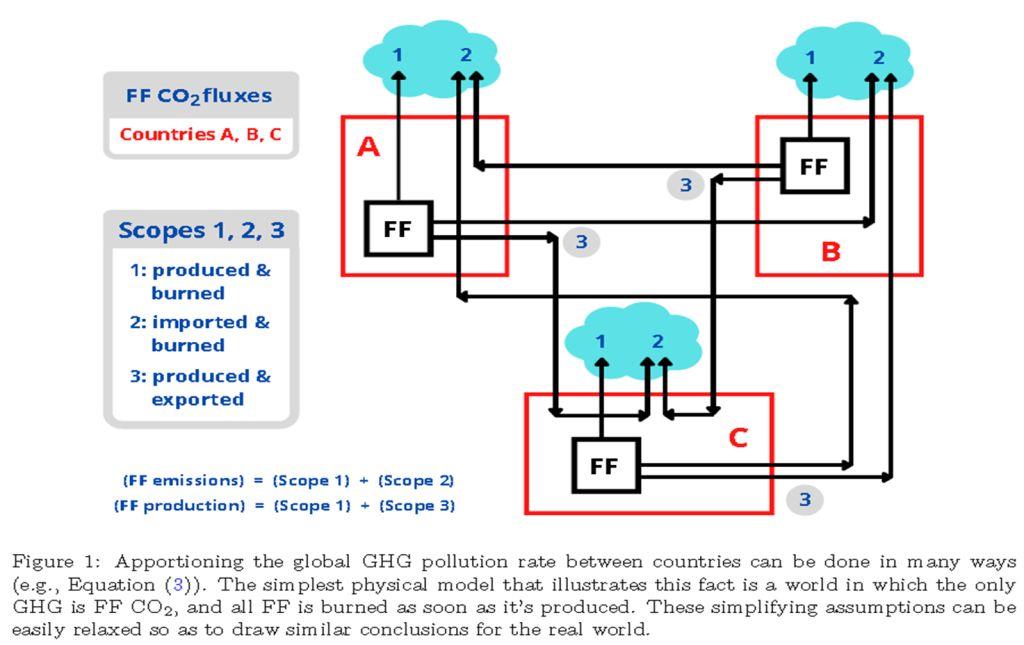
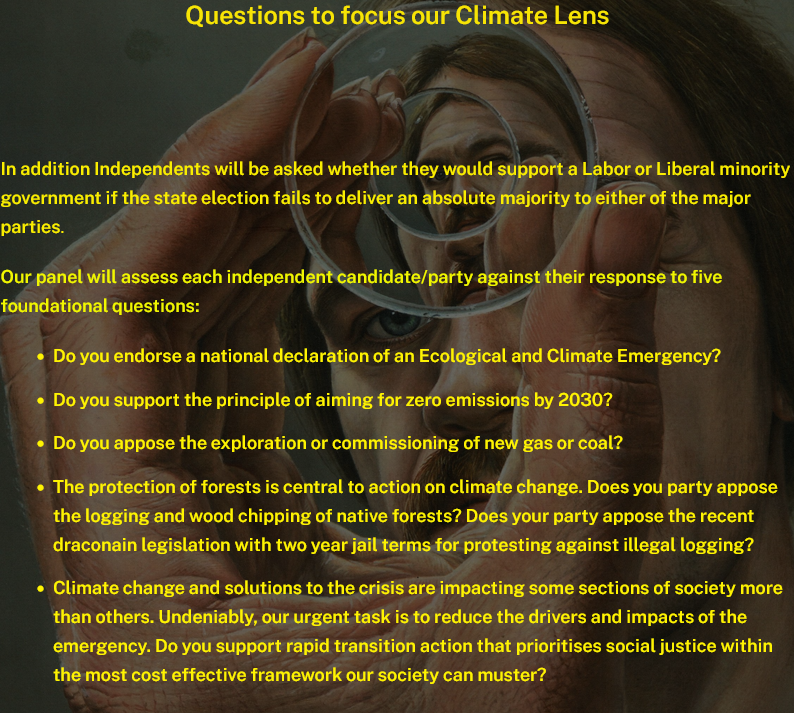
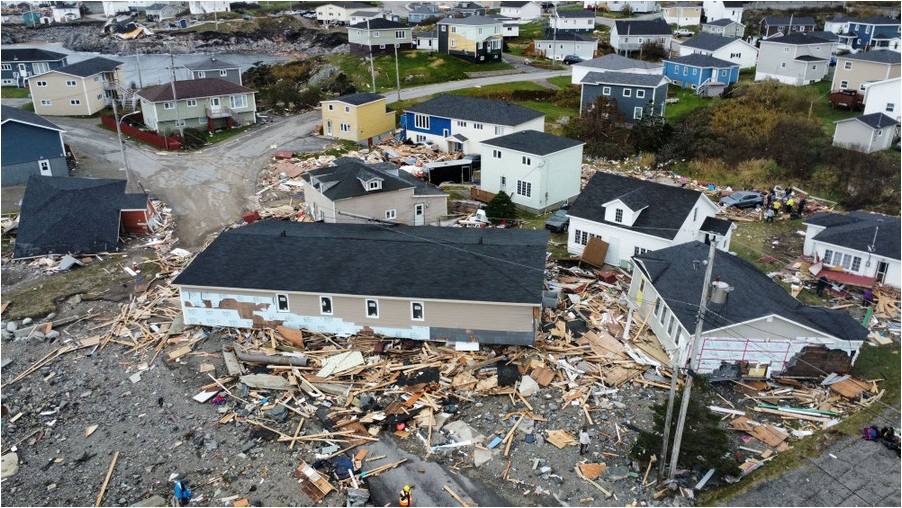
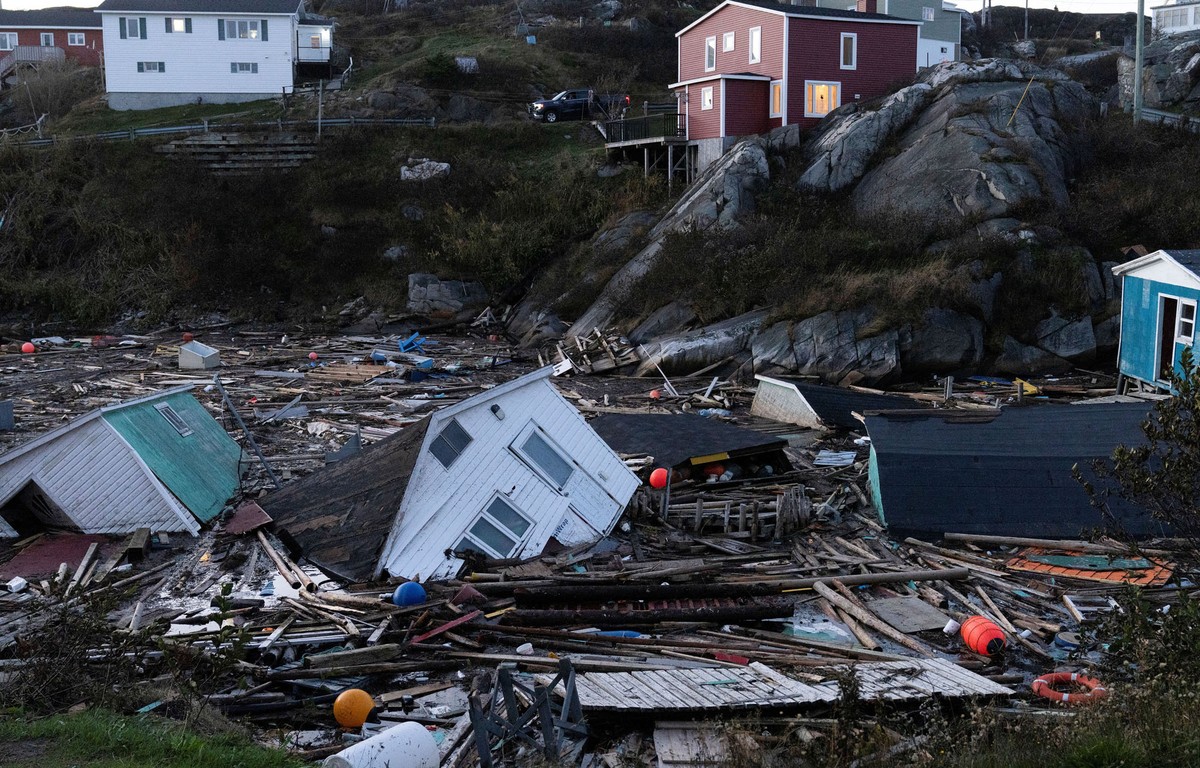
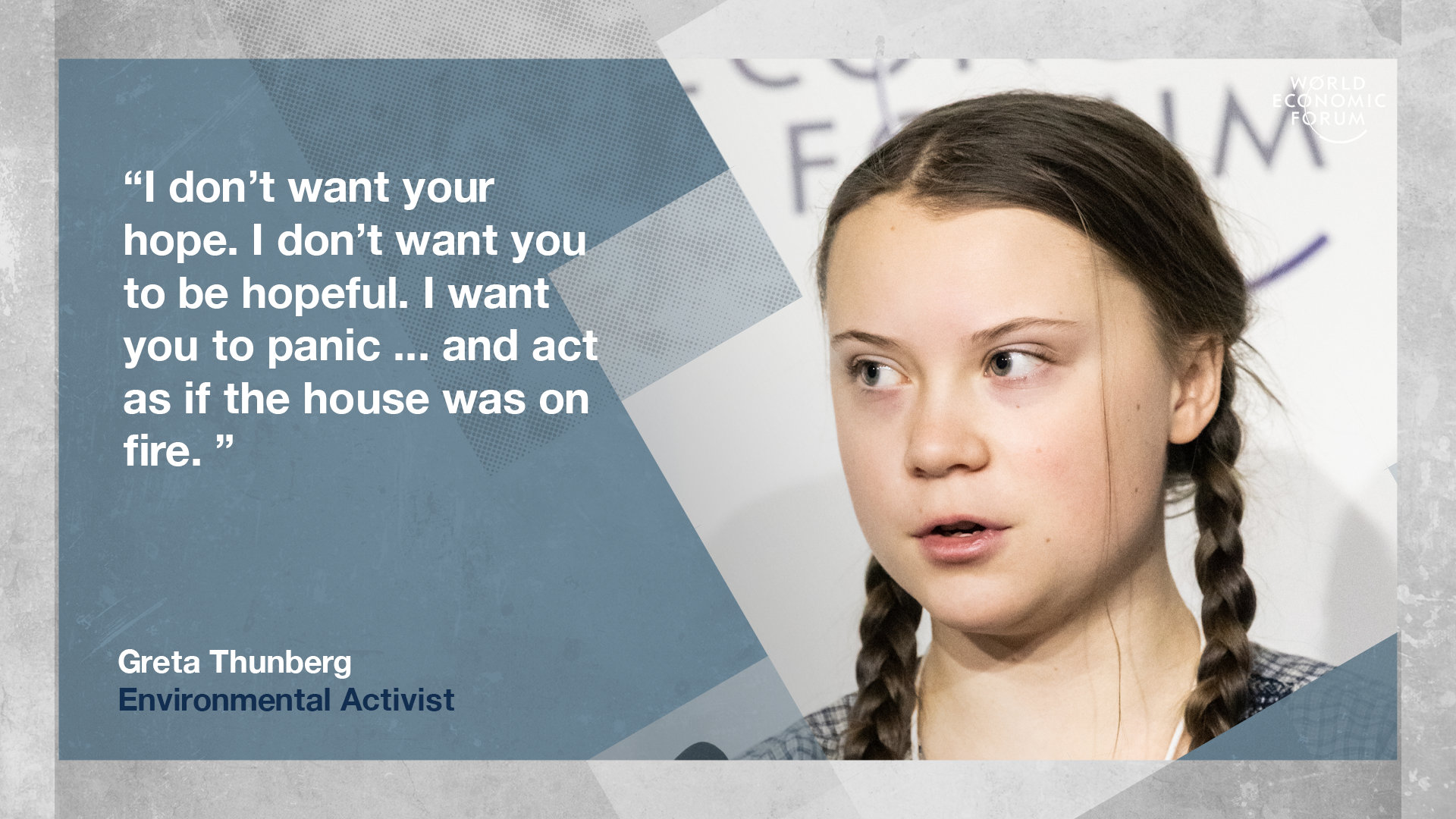



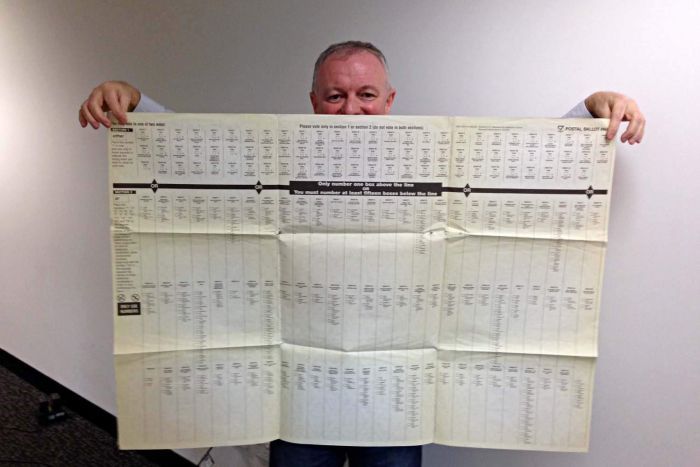


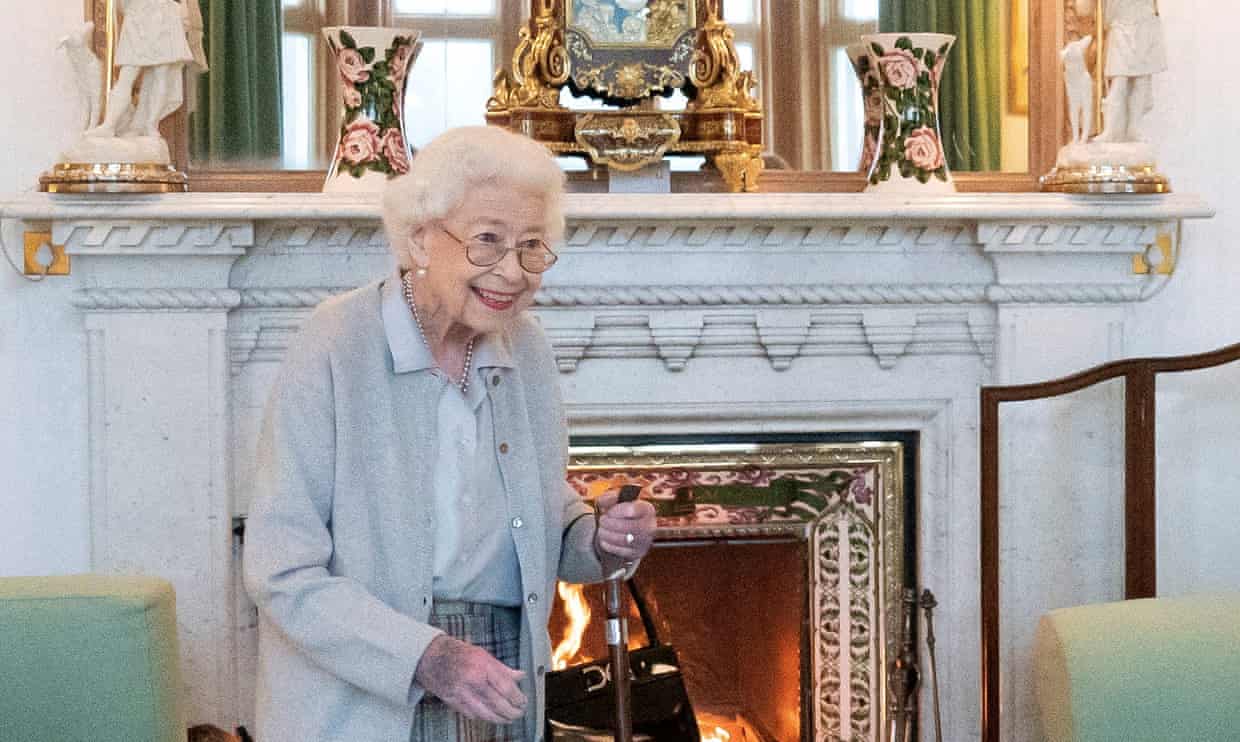
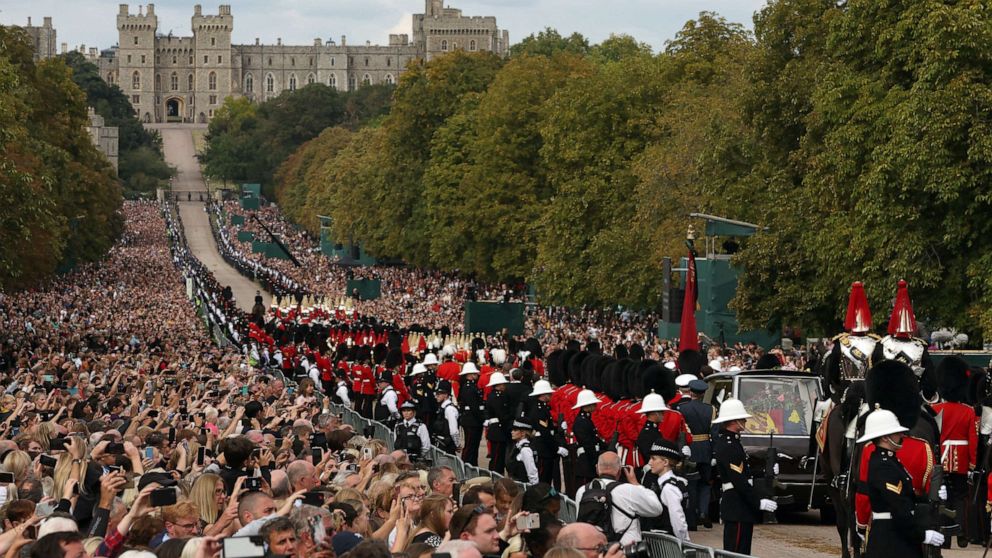


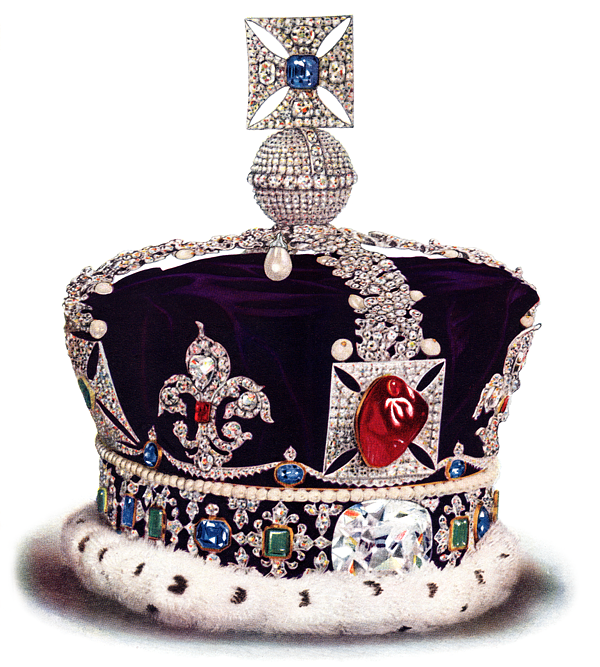




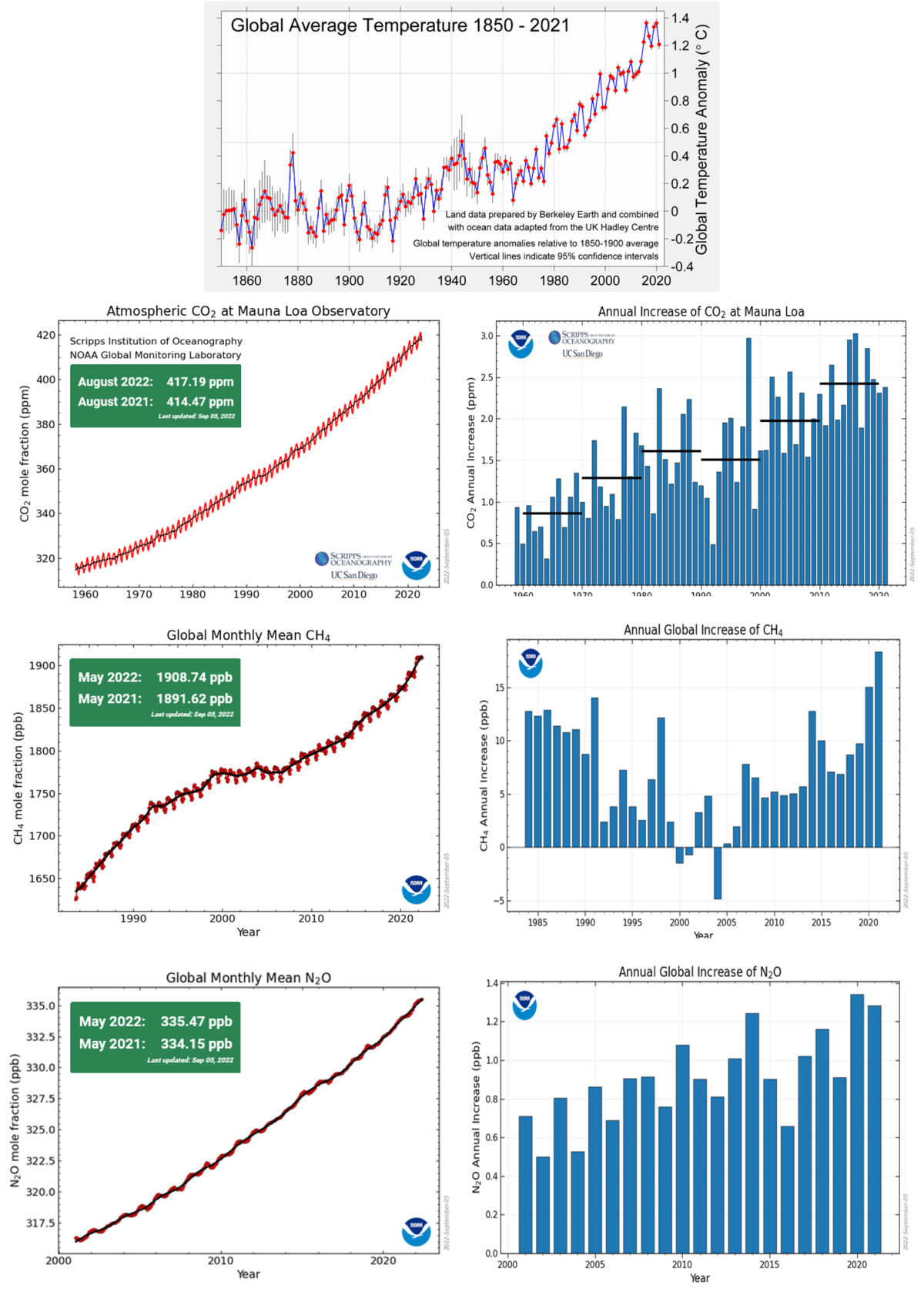

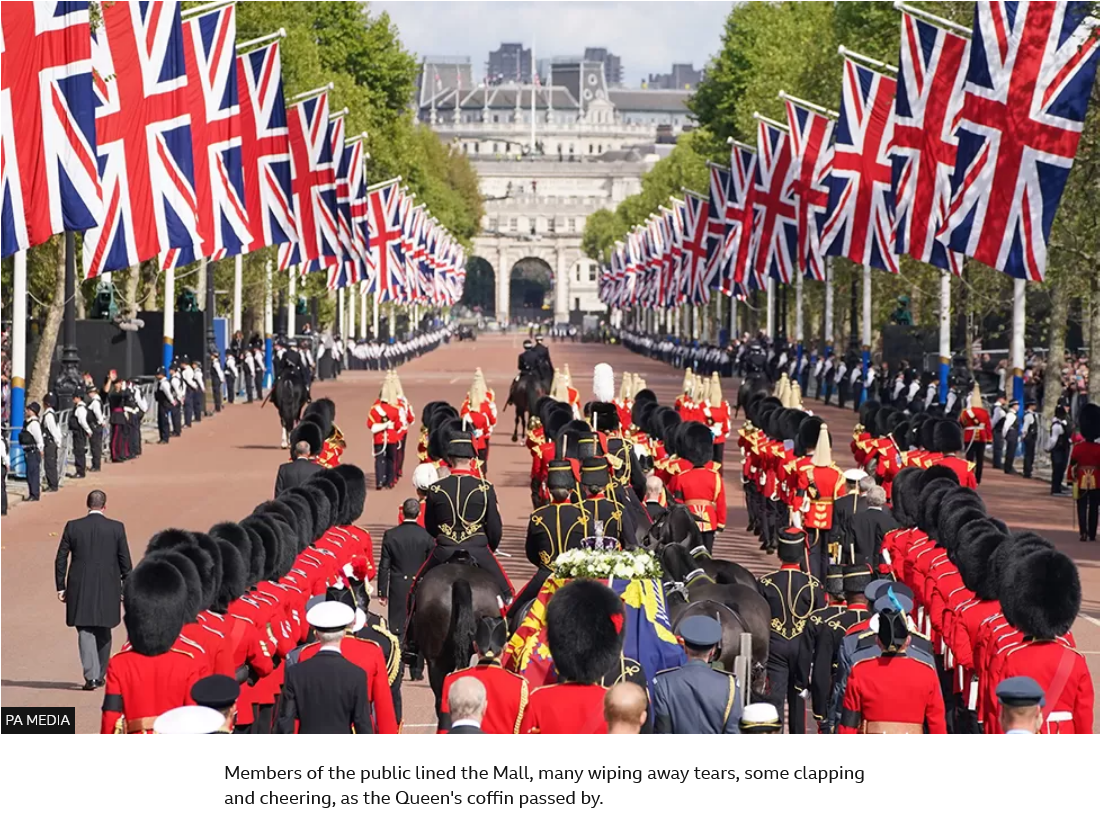
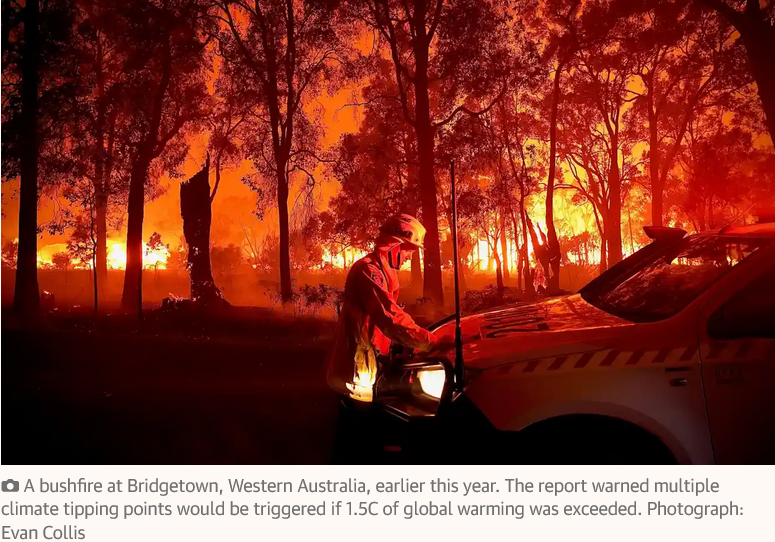
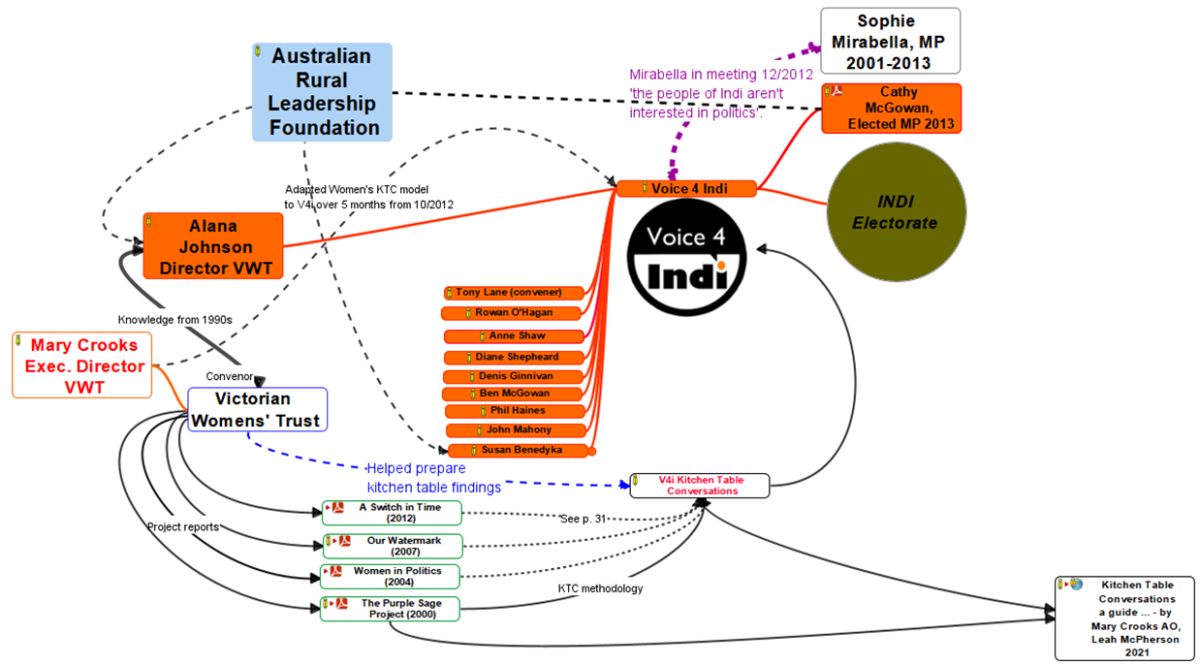


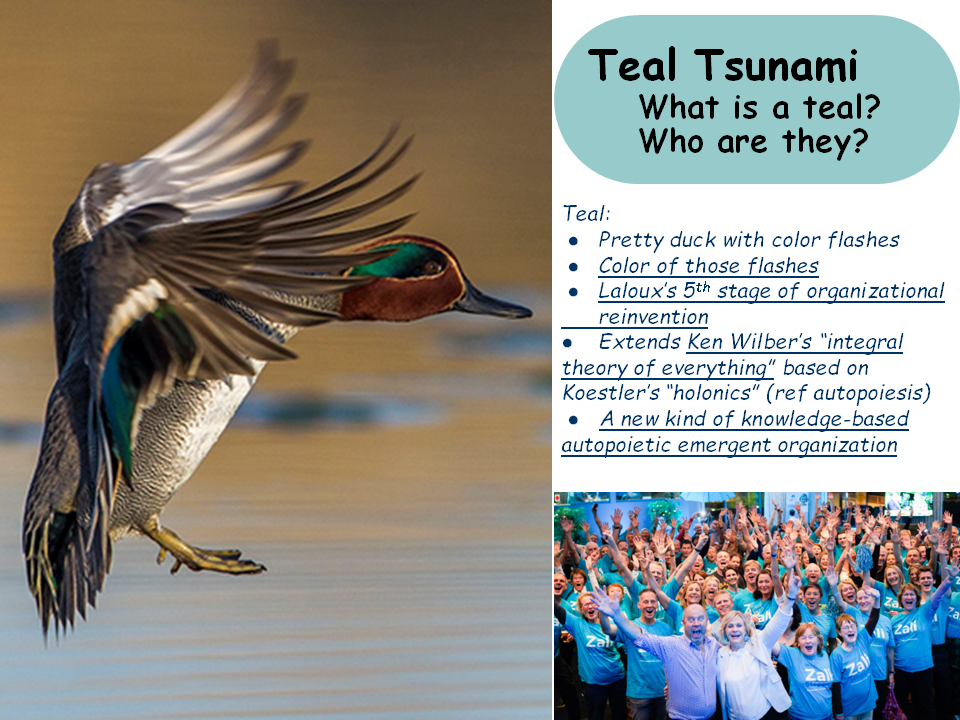
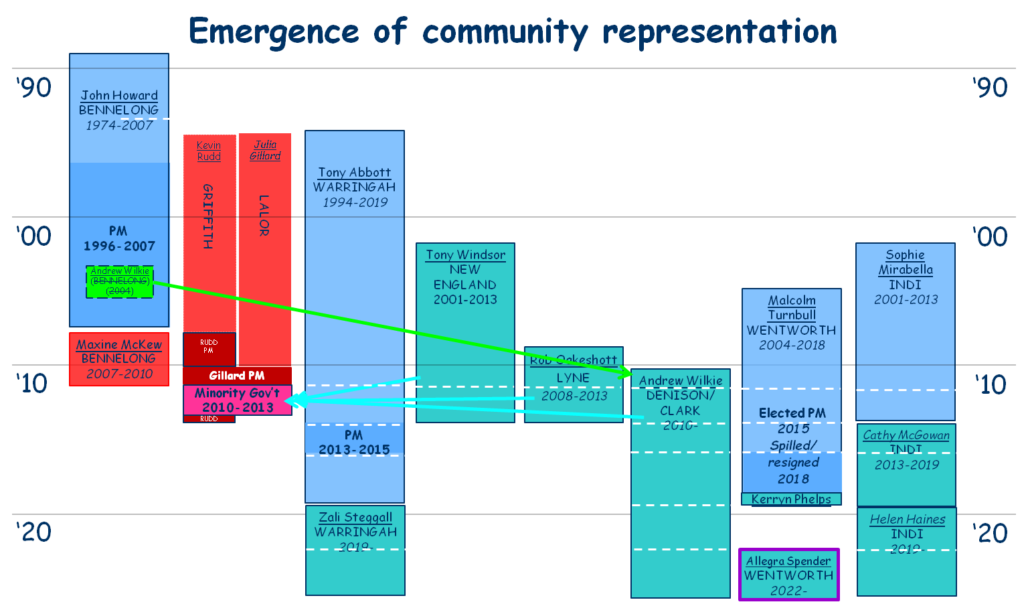
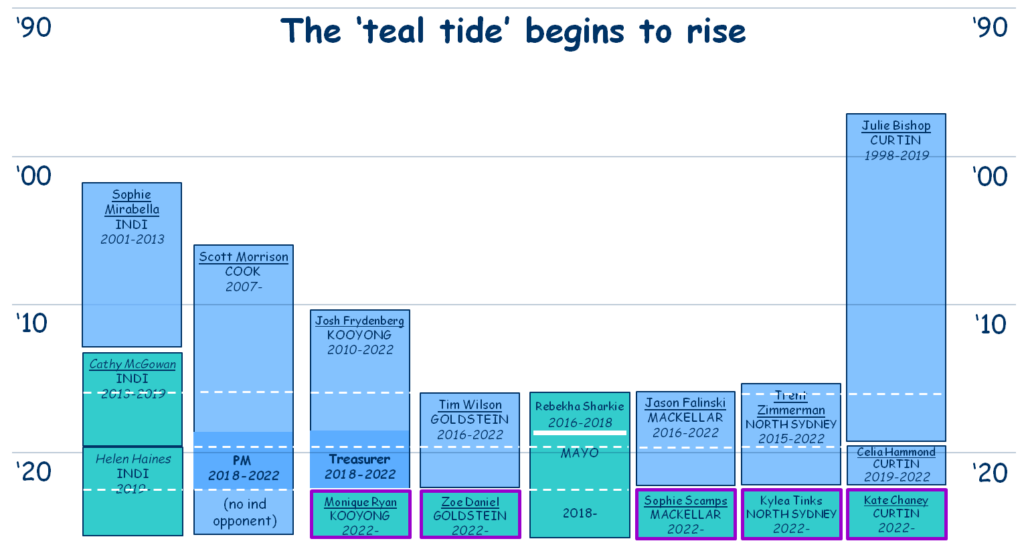
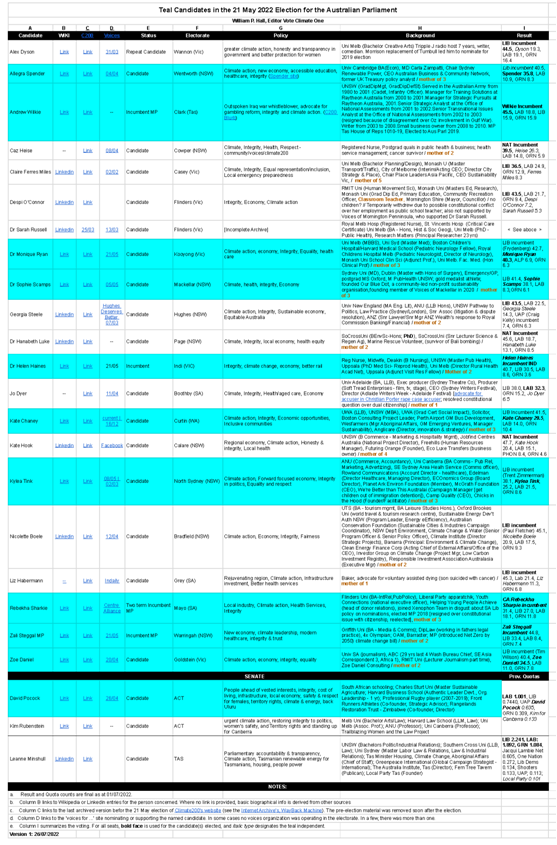

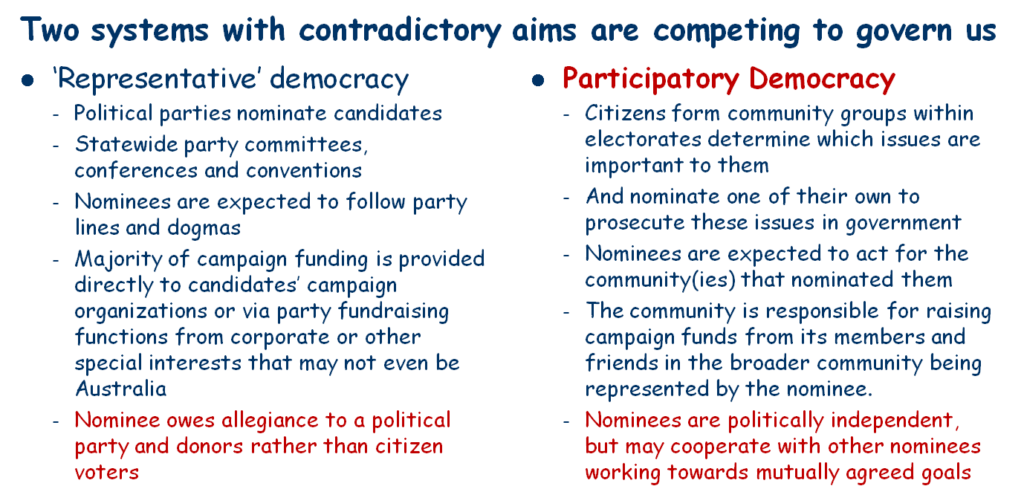
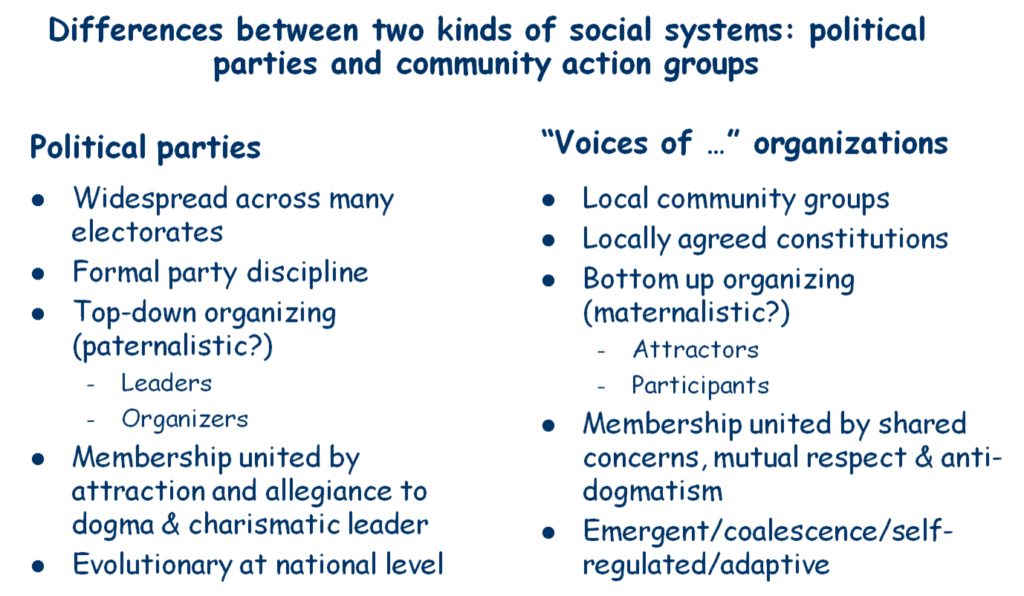
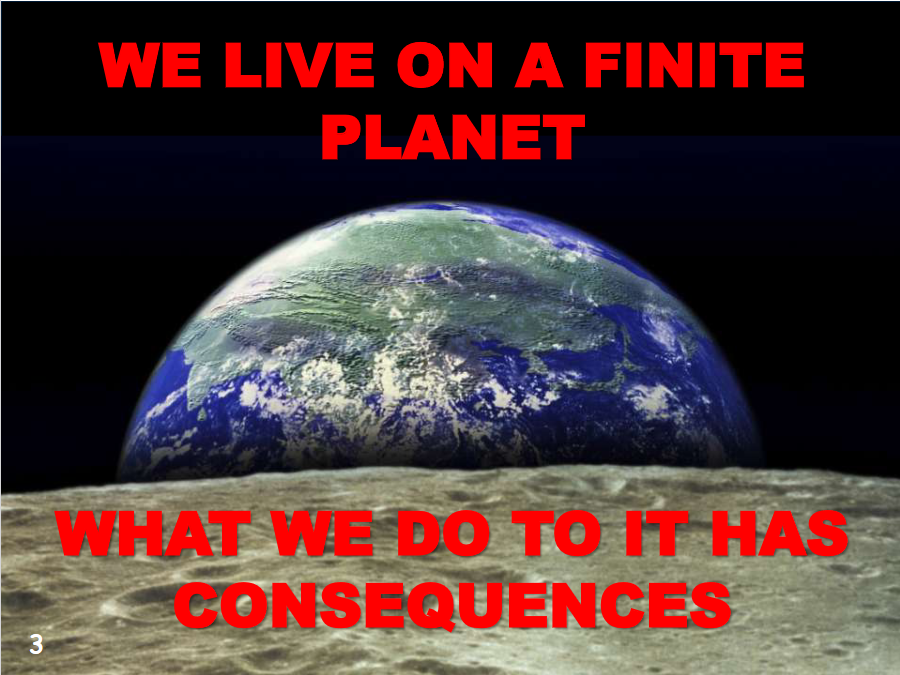
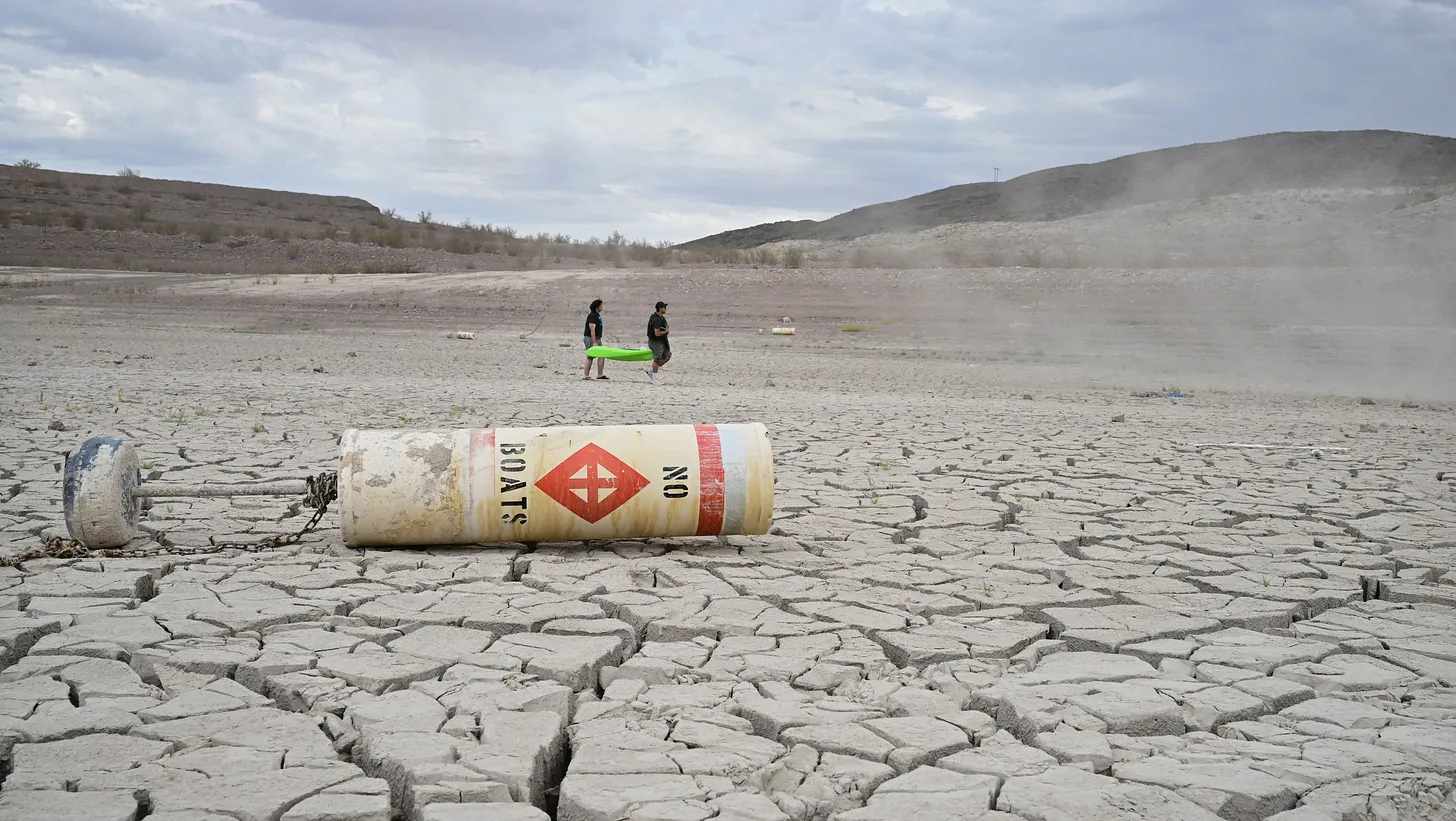
Useful article, thank you. Top article, very helpful.